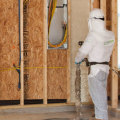
The HVAC industry is undergoing a significant transformation, marked by rising costs that are reshaping how consumers approach their heating, ventilation, and air conditioning needs. As homeowners search for HVAC near me, they are increasingly confronted with the reality of higher prices for both new installations and maintenance services. Understanding the factors driving these changes is essential for making informed decisions about HVAC systems, which play a crucial role in ensuring safety and security in our homes.Several elements contribute to the escalating costs of HVAC systems. First and foremost, fluctuations in raw material prices have a direct impact on manufacturing expenses. , they are increasingly confronted with the reality of higher prices for both new installations and maintenance services. Understanding the factors driving these changes is essential for making informed decisions about HVAC systems, which play a crucial role in ensuring safety and security in our homes.Several elements contribute to the escalating costs of HVAC systems. First and foremost, fluctuations in raw material prices have a direct impact on manufacturing expenses.
Over the past year, we have seen a notable increase in the cost of essential materials such as metals and plastics, which are vital for producing HVAC components. Additionally, labor costs have risen due to a shortage of skilled technicians in the industry, further driving up service prices. These economic pressures are compounded by global supply chain disruptions that have affected the availability of HVAC equipment and parts.Moreover, advancements in technology are also influencing costs. While modern HVAC systems offer improved energy efficiency and enhanced features, these innovations often come with a higher price tag.
Homeowners must weigh the long-term benefits of energy savings against the initial investment required for these advanced systems. As we delve deeper into the changing landscape of HVAC, it becomes clear that understanding local options and market trends is crucial for navigating this evolving environment.
Factors Driving Up HVAC Costs
The rising costs of HVAC systems can be attributed to a multitude of factors that are interlinked and often compound one another. Understanding these elements is essential for consumers who are seeking effective and affordable HVAC solutions.1.Raw Material Costs
One of the primary drivers of increased HVAC costs is the surge in raw material prices. The manufacturing of HVAC systems relies heavily on metals such as copper, aluminum, and steel, all of which have seen significant price hikes in recent years.
For instance, copper prices have fluctuated dramatically due to global demand and supply chain disruptions. This volatility not only affects the cost of the materials themselves but also impacts the overall pricing of HVAC units.
2.Labor Rates
Labor costs have also risen, influenced by a shortage of skilled workers in the HVAC industry. As demand for installation and maintenance services increases, companies are compelled to offer higher wages to attract qualified technicians. This increase in labor rates is then passed on to consumers, contributing to the overall cost of HVAC systems.
Additionally, training new employees incurs further expenses for companies, which can also affect pricing.
3.Transportation Costs
The logistics involved in transporting HVAC equipment from manufacturers to distributors and ultimately to consumers have become more expensive as well. Rising fuel prices and supply chain disruptions caused by global events have led to increased transportation costs. These expenses can significantly impact the final price of HVAC systems, especially for those sourced from distant locations.
4.Technological Advancements
While technological advancements in HVAC systems often lead to improved efficiency and performance, they can also contribute to higher costs. Newer models equipped with advanced features such as smart thermostats or energy-efficient components may come with a higher upfront price tag.
However, these investments can lead to long-term savings on energy bills, making them worthwhile for many consumers.In summary, the rising costs associated with HVAC systems are influenced by a complex interplay of raw material prices, labor rates, transportation expenses, and technological advancements. By understanding these factors, consumers can make more informed decisions when searching for HVAC near me, ensuring they find solutions that fit both their needs and budget.
The Impact of Raw Material Prices on HVAC Systems
The cost of raw materials plays a pivotal role in shaping the pricing and availability of HVAC systems. As the demand for energy-efficient and environmentally friendly solutions grows, manufacturers are increasingly reliant on specific raw materials that are subject to market fluctuations. Understanding these dynamics is essential for both consumers and industry professionals.One of the primary materials used in HVAC systems is copper , which is essential for manufacturing components such as coils and tubing.Over the past year, copper prices have surged, driven by increased global demand and supply chain disruptions. For instance, in early 2023, copper prices reached an all-time high, climbing over 30% compared to the previous year. This spike directly impacts the cost of HVAC units, as manufacturers pass on these increased expenses to consumers.Another critical material is aluminum , widely used in heat exchangers and other components. The price of aluminum has also seen significant fluctuations, influenced by tariffs and trade policies.
In 2022, aluminum prices rose by approximately 25%, further straining manufacturers' budgets and leading to higher retail prices for HVAC systems.Additionally, steel is a fundamental component in the structural framework of HVAC units. The steel market has been volatile, with prices increasing due to rising production costs and limited supply. According to recent reports, steel prices have increased by nearly 15% over the last year, contributing to the overall rise in manufacturing costs.These raw material price increases not only affect the cost of production but also influence the availability of HVAC systems in the market. Manufacturers may face delays in production schedules due to shortages of essential materials, leading to longer wait times for consumers seeking installation services.
This situation can be particularly challenging for those searching for HVAC near me, as local suppliers may struggle to keep up with demand.In conclusion, fluctuations in raw material prices significantly impact the manufacturing costs and pricing of HVAC systems. As these costs continue to rise, consumers should remain informed about market trends and consider their options carefully when investing in new heating and cooling solutions.
Labor Costs and Their Influence on HVAC Pricing
The HVAC industry is currently facing a significant challenge due to rising labor costs, which are largely driven by a shortage of skilled workers. As demand for HVAC services continues to grow, the competition for qualified technicians has intensified, leading to increased wages and installation prices.One of the primary factors contributing to this labor shortage is the aging workforce. Many experienced HVAC technicians are nearing retirement age, and there are not enough new entrants into the field to replace them.This gap has created a situation where companies are competing for a limited pool of skilled labor, driving up wages and, consequently, the overall cost of HVAC services.Moreover, the demand for HVAC installation and maintenance services has surged in recent years. With more homeowners seeking energy-efficient solutions and smart home technologies, the need for professional installation has never been greater. This increased demand further exacerbates the labor shortage, as companies struggle to find enough qualified technicians to meet their clients' needs.As a result of these dynamics, consumers looking for HVAC near me may notice higher installation prices. The cost of hiring skilled labor is now a significant component of the overall pricing structure for HVAC services.
Homeowners should be prepared for potential increases in quotes as companies adjust their pricing to reflect these labor market realities.In addition to higher installation costs, the shortage of skilled labor can also lead to longer wait times for service appointments. With fewer technicians available, it may take longer for homeowners to receive the necessary repairs or installations. This can be particularly frustrating during peak seasons when demand is at its highest.To navigate this changing landscape, consumers should consider several strategies:
- Plan Ahead: Schedule HVAC services during off-peak seasons when demand is lower.
- Research Local Options: Look for reputable local contractors who may offer competitive pricing.
- Invest in Maintenance: Regular maintenance can extend the life of your HVAC system and reduce the need for costly repairs.
Transportation and Fuel Costs: A Hidden Factor in HVAC Pricing
When considering the overall costs associated with HVAC systems, many consumers overlook the significant impact of transportation and fuel costs.These hidden expenses play a crucial role in determining the final price of HVAC units and services, affecting both manufacturers and local service providers.Transportation costs encompass a variety of factors, including the logistics of moving equipment from manufacturers to distributors and ultimately to consumers. As fuel prices fluctuate, so do the expenses associated with transporting heavy HVAC units. For instance, when fuel prices rise, shipping companies often pass these costs onto manufacturers, who in turn adjust their pricing structures. This chain reaction can lead to noticeable increases in the cost of HVAC systems available in your area.Moreover, the logistics challenges faced by HVAC companies can further exacerbate these costs.
Many regions experience delays due to supply chain disruptions, which can be caused by factors such as:
- Natural Disasters: Hurricanes, floods, and wildfires can hinder transportation routes, leading to increased delivery times and costs.
- Labor Shortages: A lack of qualified drivers can slow down the delivery process, causing delays that affect inventory levels and pricing.
- Global Events: Events like pandemics or geopolitical tensions can disrupt international shipping routes, impacting the availability of HVAC components.
As the industry continues to evolve, staying informed about these hidden costs will help you navigate the changing landscape effectively.
Technological Advancements in HVAC Systems: Cost vs. Efficiency
As the HVAC industry evolves, technological advancements are reshaping the landscape of heating, ventilation, and air conditioning systems. While these innovations often come with higher initial costs, they can lead to significant long-term savings through enhanced energy efficiency.One of the most notable advancements in HVAC technology is the integration of smart systems. These systems utilize sensors and algorithms to optimize energy use based on real-time data.For instance, smart thermostats can learn your schedule and adjust temperatures accordingly, ensuring that energy is not wasted when you are away from home. This level of automation not only improves comfort but also reduces energy consumption, which can translate into lower utility bills over time.Another key development is the use of variable refrigerant flow (VRF) systems. Unlike traditional HVAC systems that operate at a fixed capacity, VRF systems can adjust their output based on the specific needs of a space. This flexibility allows for more efficient heating and cooling, particularly in larger buildings where different areas may require varying levels of climate control.
Although the upfront investment for VRF systems can be substantial, the potential for energy savings makes them an attractive option for many homeowners and businesses.Additionally, advancements in energy-efficient components , such as high-efficiency compressors and advanced heat exchangers, contribute to overall system performance. These components are designed to minimize energy loss and maximize output, further enhancing the efficiency of HVAC systems. When considering an upgrade or new installation, it’s essential to evaluate these components as part of the total cost of ownership.While the initial costs associated with these advanced HVAC technologies may seem daunting, it’s important to consider the long-term benefits. Many modern systems qualify for energy efficiency rebates and tax credits, which can help offset some of the upfront expenses.
Furthermore, by investing in a more efficient system now, homeowners can enjoy reduced energy bills and a smaller carbon footprint in the years to come.In conclusion, as you search for HVAC near me, keep in mind that investing in advanced technology may require a higher initial outlay but offers substantial savings and efficiency gains over time. Balancing upfront costs with future savings is crucial in making an informed decision about your HVAC system.
Local Solutions: Finding Affordable HVAC Services Near You
Finding affordable HVAC services in your local area can be a daunting task, especially with the rising costs associated with HVAC systems. However, with the right approach, you can discover cost-effective solutions that meet your needs without breaking the bank. Here are some practical tips to help you navigate the search for affordable HVAC near me.1.Research Local Providers
- Start by compiling a list of local HVAC service providers.
Use online search engines and directories to find companies that operate in your area.
- Check their websites for information on services offered, customer reviews, and any special promotions or discounts.
- Look for providers that have been in business for several years, as established companies often have a reputation to uphold.
2.Compare Quotes
Once you have a shortlist of potential HVAC contractors, it’s essential to compare quotes:
- Contact each provider to request a detailed estimate for the services you need. Be specific about your requirements to ensure accurate quotes.
- Compare not only the prices but also the scope of work included in each quote. Sometimes, a lower price may mean fewer services or lower-quality parts.
- Don’t hesitate to ask questions about any discrepancies in pricing or services offered. A reputable contractor will be transparent and willing to explain their pricing structure.
3.Look for Promotions and Financing Options
Many HVAC companies offer seasonal promotions or financing options that can make their services more affordable:
- Keep an eye out for special deals during peak seasons, such as summer or winter, when demand is high.
- Inquire about financing plans that allow you to pay for your HVAC installation or repairs over time, making it easier to manage costs.
4.Read Customer Reviews
Customer feedback can provide valuable insights into the quality of service provided by local HVAC companies:
- Check online review platforms and social media for testimonials from previous customers.
- Pay attention to comments regarding pricing, service quality, and overall customer satisfaction.
5.Seek Recommendations
Word-of-mouth referrals can be one of the most reliable ways to find trustworthy HVAC services:
- Ask friends, family, or neighbors if they have had positive experiences with local HVAC contractors.
- A personal recommendation can often lead you to affordable options that you might not find through online searches alone.
Remember that investing time in research can lead to significant savings and ensure that your HVAC system operates efficiently for years to come.
Frequently Asked Questions About Rising HVAC Costs
As homeowners and business operators navigate the complexities of HVAC systems, many find themselves grappling with questions about the rising costs associated with these essential systems. Understanding the factors that contribute to HVAC pricing can empower consumers to make informed decisions. Below are some frequently asked questions regarding HVAC costs.What factors contribute to the rising costs of HVAC systems?
The costs of HVAC systems are influenced by several key factors:- Raw Material Prices: The prices of metals, plastics, and other materials used in HVAC manufacturing have surged, impacting overall system costs.
- Labor Costs: Skilled labor is increasingly in demand, leading to higher wages for technicians and installers.
- Technological Advancements: While new technologies can improve efficiency and comfort, they often come with a higher initial price tag.
- Regulatory Changes: Stricter energy efficiency standards can lead to increased manufacturing costs, which are then passed on to consumers.
How can I find affordable HVAC services near me?
Finding cost-effective HVAC services requires a bit of research:- Get Multiple Quotes: Contact several local contractors to compare prices and services offered.
- Check Reviews: Look for customer feedback on platforms like Google or Yelp to gauge the quality of service.
- Ask About Financing Options: Many companies offer financing plans that can make larger purchases more manageable.
Are there ways to reduce my HVAC costs?
Yes, there are several strategies you can employ to lower your HVAC expenses:- Regular Maintenance: Schedule routine check-ups to ensure your system operates efficiently and avoid costly repairs.
- Upgrade Wisely: Consider investing in energy-efficient models that may have a higher upfront cost but will save you money in the long run through reduced energy bills.
- Utilize Smart Thermostats: These devices can optimize your heating and cooling schedules, leading to significant savings on energy consumption.
Conclusion: Adapting to the New Reality of HVAC Costs
As we conclude our exploration of the evolving landscape of HVAC systems and the factors contributing to rising costs, it is essential to recognize the implications these changes have for homeowners and businesses alike. The HVAC industry is undergoing a transformation driven by various elements, including increased raw material prices, labor shortages, and advancements in technology.Understanding these dynamics is crucial for making informed decisions regarding your heating, ventilation, and air conditioning needs.One of the most significant takeaways from our discussion is the importance of staying informed about local HVAC options. With the keyword "HVAC near me" becoming increasingly relevant, consumers are encouraged to research and connect with local service providers who can offer competitive pricing and quality service. By doing so, you can ensure that you are not only getting the best value for your investment but also supporting local businesses that contribute to your community.Moreover, as costs continue to rise, it becomes imperative to consider energy efficiency when selecting HVAC systems. Investing in high-efficiency units may require a higher upfront cost but can lead to substantial savings on energy bills over time.
Additionally, many local utility companies offer rebates or incentives for upgrading to more efficient systems, which can help offset initial expenses.In summary, adapting to the new reality of HVAC costs requires a proactive approach. Homeowners should:
- Research local HVAC providers to find reliable services that fit within their budget.
- Consider energy-efficient options that may provide long-term savings.
- Stay updated on market trends and technological advancements that could impact future purchases.