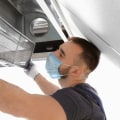
In today's fast-paced world, the importance of HVAC services cannot be overstated. Whether you are in a bustling city or a quiet suburb, having a reliable heating, ventilation, and air conditioning system is essential for maintaining a comfortable indoor environment. The term HVAC encompasses a range of services that ensure your home or business remains at an optimal temperature, regardless of the weather outside. From sweltering summers to frigid winters, an efficient HVAC system plays a crucial role in enhancing your quality of life.When searching for HVAC near me, it’s vital to understand that these services go beyond mere comfort.
They significantly impact indoor air quality, which is essential for health and well-being. Poor air quality can lead to various health issues, including respiratory problems and allergies. Professional HVAC services not only help regulate temperature but also filter and purify the air, ensuring that you breathe clean and healthy air. This is particularly important for families with children, elderly members, or individuals with pre-existing health conditions.However, many homeowners and business owners often hesitate when it comes to investing in HVAC services due to perceived costs.
It’s essential to recognize that while the initial expense may seem daunting, the long-term benefits far outweigh the costs. Regular maintenance and timely repairs can prevent more significant issues down the line, saving you money on emergency repairs and energy bills. Understanding the true cost of HVAC services is crucial for making informed decisions about your investment in comfort and safety.As we delve deeper into this topic, we will explore the various factors that contribute to HVAC service costs and why investing in these services is not just a luxury but a necessity for any property owner. By prioritizing your HVAC needs, you are not only ensuring comfort but also safeguarding your health and enhancing the longevity of your system.
Factors Influencing the Cost of HVAC Services
Understanding the costs associated with HVAC services requires a closer look at several key factors that influence pricing.These elements not only reflect the complexity of the work involved but also the value that professional HVAC services provide.
1.Labor Costs
One of the most significant components of HVAC service costs is labor. Skilled technicians undergo extensive training and certification processes to ensure they are equipped to handle various HVAC systems safely and effectively. This expertise comes at a price, as experienced professionals command higher wages due to their specialized knowledge. Additionally, labor costs can vary based on geographic location, with urban areas typically seeing higher rates than rural regions.
2.Quality of Materials
The materials used in HVAC installations and repairs also play a crucial role in determining overall costs.
High-quality components, such as energy-efficient units or durable ductwork, may have a higher upfront cost but can lead to long-term savings through reduced energy bills and fewer repairs. Conversely, opting for cheaper materials may save money initially but could result in more frequent breakdowns and higher maintenance costs down the line.
3.Complexity of the Job
The complexity of the HVAC system being serviced significantly impacts pricing. For instance, installing a new central air conditioning system involves intricate electrical work, duct installation, and possibly even structural modifications to accommodate the new unit. Each of these tasks requires specialized skills and tools, which can drive up labor costs.
4.Seasonal Demand
Another factor influencing HVAC service costs is seasonal demand.
During peak seasons—typically summer for air conditioning and winter for heating—demand for HVAC services surges. This increased demand can lead to higher prices as technicians may charge more for their services when they are in high demand.
5.Insurance and Licensing
Professional HVAC technicians must carry insurance and maintain licenses to operate legally. These requirements ensure that they adhere to safety standards and regulations, protecting both themselves and their clients. The costs associated with obtaining and maintaining these credentials are often reflected in service pricing.In summary, understanding the various factors that contribute to HVAC service costs helps consumers make informed decisions when seeking professional assistance.
While it may seem daunting at first glance, recognizing the value behind these expenses can lead to better long-term outcomes for your heating and cooling needs.
The Role of Expertise in HVAC Services
When it comes to HVAC services, the expertise of the technician plays a crucial role in ensuring that your heating, ventilation, and air conditioning systems operate efficiently and safely. Hiring a skilled HVAC technician is not just about getting the job done; it’s about ensuring that the work is performed to the highest standards, which can save you time and money in the long run.Understanding HVAC Technician Expertise
HVAC technicians undergo extensive training and certification processes that equip them with the knowledge necessary to handle complex systems. This training includes:
- Technical Skills: Technicians learn how to install, maintain, and repair various HVAC systems, including central air conditioning units, heat pumps, and furnaces.
- Safety Protocols: They are trained in safety regulations and best practices to prevent accidents and ensure compliance with local codes.
- Troubleshooting Techniques: Skilled technicians can quickly diagnose issues, which minimizes downtime and prevents further damage to your system.
The Benefits of Professional HVAC Services
Investing in professional HVAC services offers numerous advantages:
- Quality Assurance: Experienced technicians provide a level of quality that DIY efforts or inexperienced workers cannot match. Their expertise ensures that installations are done correctly the first time.
- Energy Efficiency: Proper installation and maintenance by skilled professionals can lead to improved energy efficiency, which translates into lower utility bills.
- Longevity of Equipment: Regular maintenance performed by experts can extend the lifespan of your HVAC system, saving you from costly replacements.
The Importance of Skilled Labor in HVAC
The HVAC industry relies heavily on skilled labor.
As technology advances, systems become more sophisticated, requiring technicians who are not only knowledgeable but also adaptable. The demand for qualified HVAC professionals continues to grow as more homeowners seek reliable solutions for their heating and cooling needs.In conclusion, when searching for HVAC near me, prioritize hiring a qualified technician. Their expertise ensures that your HVAC system operates efficiently, safely, and reliably. The investment in professional services pays off through enhanced performance, energy savings, and peace of mind knowing that your home’s climate control is in capable hands.
Understanding Labor Costs in HVAC Services
When considering the cost of HVAC services, one of the most significant components is labor.Understanding the intricacies of labor costs in HVAC services can help homeowners and business owners appreciate why these expenses are often higher than anticipated.
1.Training and Certification
HVAC technicians undergo extensive training to acquire the necessary skills and knowledge to perform their jobs effectively. This training typically includes:
- Formal education through vocational schools or community colleges.
- Apprenticeships that provide hands-on experience under the guidance of seasoned professionals.
- Continuous education to stay updated with the latest technologies, regulations, and safety standards.
2.Experience Matters
Experience plays a crucial role in determining labor costs. A seasoned technician can diagnose issues more quickly and accurately than someone who is just starting in the field.
This efficiency translates into:
- Reduced time on the job, which can lower overall service costs.
- A higher likelihood of identifying underlying problems that may not be immediately apparent.
- Enhanced ability to recommend preventative measures that can save clients money in the long run.
3.Complexity of HVAC Systems
The modern HVAC system is a complex network of components that require specialized knowledge to install, maintain, and repair. Technicians must be adept at:
- Electrical work, including wiring and circuit analysis.
- Refrigeration principles and fluid dynamics.
- Understanding intricate control systems that regulate temperature and airflow.
4.Cost Breakdown of Labor
The total labor cost for HVAC services typically includes several factors:
- Hourly Wage: The base pay for technicians varies based on experience, location, and company policies.
- Overhead Costs: This includes insurance, tools, vehicle maintenance, and administrative expenses that companies incur to operate.
- Profit Margin: Companies need to maintain a profit margin to sustain their business operations and invest in future growth.
Material Costs: What Goes Into Your HVAC System?
When considering the cost of HVAC services, it's essential to understand the various materials that comprise your HVAC system. The components used in these systems not only affect the initial installation price but also play a significant role in the overall efficiency, performance, and longevity of your heating and cooling solutions.One of the primary materials in any HVAC system is the refrigerant.This fluid is crucial for heat exchange processes in air conditioning units and heat pumps. The type of refrigerant used can vary, with some being more environmentally friendly than others. However, high-quality refrigerants often come at a premium price, which can impact your overall HVAC costs.Another significant component is the compressor. This part is often considered the heart of an HVAC system, as it circulates refrigerant throughout the system.
Compressors can vary widely in price based on their efficiency ratings and technology. Investing in a high-efficiency compressor may have a higher upfront cost but can lead to substantial savings on energy bills over time.The ductwork is another critical element that contributes to both performance and cost. Properly designed and insulated ducts ensure that heated or cooled air reaches its intended destination without significant loss. The materials used for ductwork—such as galvanized steel, aluminum, or flexible plastic—can vary in price and effectiveness.
High-quality duct materials may cost more initially but can enhance airflow efficiency and reduce energy waste.
Filters
are also vital components that should not be overlooked. They help maintain indoor air quality by trapping dust, allergens, and other particles. The cost of filters can vary based on their type and efficiency rating. Investing in higher-quality filters may result in better air quality and less strain on your HVAC system, ultimately extending its lifespan.Lastly, consider the thermostat.
Modern smart thermostats offer advanced features that allow for better control over your HVAC system's operation. While they may come with a higher price tag than traditional models, their ability to optimize energy usage can lead to significant savings on utility bills.In summary, understanding the various materials that go into your HVAC system is crucial when evaluating costs. Quality components not only enhance performance but also contribute to long-term savings and reliability. When searching for HVAC near me, be sure to inquire about the materials used in their systems to ensure you are making a wise investment.
Insurance and Overhead Costs in HVAC Services
When considering the cost of HVAC services, it’s essential to understand the significant role that insurance and overhead expenses play in shaping the final price.These factors are often overlooked by homeowners and business owners alike, yet they are crucial in determining the overall cost of hiring a professional HVAC technician.
Insurance Costs in HVAC Services
HVAC technicians are required to carry various types of insurance to protect both themselves and their clients. This includes:
- Liability Insurance: This protects against damages that may occur during the installation or repair process. If a technician accidentally damages your property, this insurance covers the costs.
- Workers' Compensation: In case a technician gets injured while working on your HVAC system, this insurance ensures that medical expenses are covered, protecting both the worker and the homeowner from potential lawsuits.
- Equipment Insurance: This covers any tools or equipment that may be damaged or lost during a job, ensuring that technicians can continue to provide services without incurring significant out-of-pocket expenses.
Overhead Expenses in HVAC Services
In addition to insurance costs, HVAC companies face various overhead expenses that impact their pricing structure.
These include:
- Operational Costs: This encompasses everything from office rent and utilities to salaries for administrative staff. These costs must be factored into service pricing.
- Vehicle Maintenance: Technicians often travel to job sites in company vehicles. The costs associated with fuel, maintenance, and insurance for these vehicles add up over time.
- Training and Certification: Continuous education is vital in the HVAC industry due to evolving technologies and regulations. Companies invest in training programs to ensure their technicians remain knowledgeable and compliant.
When you receive a quote from an HVAC company, it reflects not only the labor involved but also these essential operational costs.
Hidden Costs of HVAC Services
Many homeowners may not realize that there are hidden costs associated with HVAC services. These can include:
- Emergency Service Fees: If you require urgent repairs outside of regular business hours, expect to pay a premium for emergency services.
- Diagnostic Fees: Some companies charge a fee just to assess your system before any work begins. This fee is often applied toward the total cost if you proceed with repairs.
- Parts Markup: The cost of replacement parts can vary significantly based on availability and supplier pricing. Technicians often mark up these costs to cover their procurement expenses.
While it may seem daunting at first glance, recognizing the importance of insurance and overhead expenses can provide clarity on why investing in professional HVAC services is ultimately worthwhile.
The Long-Term Value of Investing in Professional HVAC Services
Investing in professional HVAC services is not merely a short-term expense; it is a strategic decision that can yield significant long-term benefits. When you choose to hire qualified technicians for your HVAC needs, you are ensuring that your system operates efficiently and effectively over its lifespan.One of the most compelling reasons to invest in professional HVAC services is the potential for energy savings. A well-installed and maintained HVAC system can operate at peak efficiency, which translates to lower energy bills. According to the U.S. Department of Energy, proper maintenance can improve your system's efficiency by up to 30%. This means that the initial investment in professional services can quickly pay for itself through reduced utility costs.Moreover, professional installation ensures that your HVAC system is set up correctly from the start. Incorrect installation can lead to a host of problems, including uneven heating or cooling, increased wear and tear on components, and even system failure.
By hiring experts, you minimize the risk of these issues, which can save you from costly repairs or premature replacements down the line.Another long-term benefit of investing in professional HVAC services is system longevity. Regular maintenance performed by skilled technicians helps identify potential issues before they escalate into major problems. This proactive approach not only extends the life of your HVAC system but also enhances its performance. Systems that receive routine check-ups are less likely to break down unexpectedly, providing peace of mind and reliability.Additionally, many HVAC professionals offer maintenance plans that include regular inspections and tune-ups.
These plans often come at a discounted rate compared to one-time services and ensure that your system remains in optimal condition year-round. By committing to a maintenance plan, you are making a long-term investment in your home’s comfort and efficiency.In conclusion, while the upfront costs of hiring professional HVAC services may seem daunting, the long-term value is undeniable. From energy savings and enhanced system longevity to reduced repair costs and improved comfort levels, investing in quality HVAC work is a decision that pays dividends over time. When searching for HVAC near me, consider not just the immediate costs but also the lasting benefits that come with professional expertise.
Common Misconceptions About HVAC Costs
When it comes to HVAC services, many homeowners and business owners harbor misconceptions that can lead to confusion and poor decision-making.Understanding the true costs associated with HVAC services is crucial for making informed choices. Here are some common myths debunked:
- Myth 1: All HVAC Services Are Overpriced
Many people believe that HVAC services are inherently overpriced. While it’s true that professional services can be costly, this perception often overlooks the extensive training, expertise, and equipment required for quality work. The costs reflect not just labor but also the technician's knowledge and the quality of materials used. - Myth 2: DIY Repairs Are Always Cheaper
Some homeowners think they can save money by attempting DIY repairs.However, without the proper training, you risk causing more damage to your system, which can lead to higher repair costs in the long run. Hiring a professional ensures that repairs are done correctly and safely.
- Myth 3: All HVAC Technicians Charge the Same Rates
Not all HVAC technicians charge the same rates; prices can vary significantly based on experience, location, and the complexity of the job. It’s essential to get multiple quotes and understand what each service includes before making a decision. - Myth 4: Maintenance Is an Unnecessary Expense
Some individuals view regular maintenance as an unnecessary expense. In reality, routine maintenance can prevent costly breakdowns and extend the lifespan of your HVAC system.Investing in maintenance is often more economical than waiting for a major repair.
- Myth 5: Higher Efficiency Systems Aren't Worth the Investment
While high-efficiency HVAC systems may have a higher upfront cost, they often lead to significant savings on energy bills over time. Additionally, many states offer rebates or tax incentives for upgrading to energy-efficient models, making them a worthwhile investment.
How to Choose the Right HVAC Service Provider Near You
Choosing the right HVAC service provider is crucial for ensuring that your heating, ventilation, and air conditioning systems operate efficiently and effectively. With so many options available, especially when searching for HVAC near me, it can be overwhelming to make the best choice.Here are some essential tips to help you find a reliable HVAC technician.
1.Research Local Options
Start by compiling a list of HVAC service providers in your area. You can do this by:- Searching online for HVAC near me to find local companies.
- Asking friends, family, or neighbors for recommendations based on their experiences.
- Checking local business directories and review sites.
2.Check Credentials and Experience
Once you have a list of potential providers, verify their credentials:- Licensing: Ensure that the technician is licensed to operate in your state. This guarantees they meet the necessary standards.
- Insurance: Confirm that the company has liability insurance and workers' compensation coverage to protect you from any potential liabilities.
- Experience: Look for companies with a proven track record in the industry. Experienced technicians are more likely to handle complex issues effectively.
3.Read Customer Reviews
Customer reviews can provide valuable insights into the quality of service offered by an HVAC provider.Look for:
- Overall Ratings: High ratings on platforms like Google, Yelp, or Angie's List can indicate a reputable company.
- Detailed Feedback: Pay attention to specific comments about punctuality, professionalism, and quality of work.
- Response to Complaints: A company that addresses negative feedback shows commitment to customer satisfaction.
4.Request Estimates
Before making a final decision, request estimates from at least three different providers. This will help you compare prices and services offered. Be wary of quotes that seem too low; they may indicate subpar service or hidden costs.5.Ask About Warranties and Guarantees
A reputable HVAC service provider should offer warranties on their work and equipment. This not only protects your investment but also demonstrates their confidence in the quality of their services.By following these tips, you can confidently choose an HVAC service provider that meets your needs and ensures your home remains comfortable year-round.Conclusion: The Worthwhile Investment in Quality HVAC Services
In conclusion, the decision to invest in quality HVAC services is not merely a financial transaction; it is a commitment to long-term comfort, efficiency, and peace of mind.As we have explored throughout this article, the costs associated with HVAC services are influenced by a variety of factors, including the expertise of technicians, the quality of materials used, and the complexity of modern HVAC systems.When you search for HVAC near me, it’s essential to recognize that you are not just looking for a service provider; you are seeking a partner who can ensure your heating and cooling systems operate at their best. The benefits of hiring qualified professionals extend beyond immediate repairs or installations. Here are some key takeaways:
- Expertise Matters: Skilled HVAC technicians bring years of training and experience to the table. Their ability to diagnose issues accurately and implement effective solutions can save you from costly mistakes down the line.
- Quality Materials: Investing in high-quality parts and equipment ensures that your HVAC system runs efficiently and lasts longer.
Cheaper alternatives may seem appealing initially but can lead to more significant expenses due to frequent repairs or replacements.
- Energy Efficiency: A well-maintained HVAC system operates more efficiently, which translates into lower energy bills. This efficiency not only benefits your wallet but also reduces your carbon footprint.
- Safety First: Professional HVAC services adhere to safety regulations, minimizing risks associated with improper installations or repairs. This is particularly crucial when dealing with gas lines or electrical components.
So, the next time you find yourself searching for HVAC near me, remember that this investment is one that pays dividends in comfort, efficiency, and peace of mind for years to come.