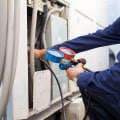
Understanding the fundamentals of your air conditioning (AC) unit is essential for any homeowner, especially when it comes to managing repair costs. An AC unit is not just a single appliance; it is a complex system composed of several key components that work together to provide cool, comfortable air in your home. By familiarizing yourself with these components, you can better appreciate the intricacies involved in repairs and maintenance, which can ultimately save you money in the long run. At the heart of every air conditioning system lies the compressor , often referred to as the "heart" of the unit. This component is responsible for circulating refrigerant throughout the system, enabling heat exchange and cooling your indoor air.
Alongside the compressor, you will find other critical parts such as the evaporator coil, condenser coil, and expansion valve. Each of these components plays a vital role in ensuring that your AC unit operates efficiently and effectively. In addition to understanding these components, it's important to recognize how they interact with one another. For instance, if one part fails, it can lead to a domino effect that impacts the entire system. This interconnectedness is why many homeowners search for HVAC near me when they encounter issues; they need a qualified technician who can diagnose and address problems accurately.
By grasping the basics of your AC unit, you empower yourself to make informed decisions about repairs and maintenance, ultimately leading to a more efficient and cost-effective cooling solution for your home.
The Most Common AC Unit Repairs
When it comes to air conditioning systems, certain repairs are more common than others. Understanding these frequent issues can help homeowners make informed decisions and potentially save on costs. Here are some of the most prevalent AC unit repairs that you might encounter:- Compressor Issues: As previously mentioned, the compressor is a critical component of your AC system. It can fail due to overheating, electrical issues, or wear and tear over time.
If your compressor is malfunctioning, it may not circulate refrigerant effectively, leading to inadequate cooling. Repairing or replacing a compressor can be one of the most expensive repairs, often costing several hundred dollars.
- Evaporator Coil Problems: The evaporator coils absorb heat from the air in your home. If these coils become dirty or frozen, they can hinder the cooling process. Regular maintenance is essential to keep these coils clean and functioning properly.
If they are damaged or corroded, replacement may be necessary, which can also be costly.
- Refrigerant Leaks: Refrigerant is vital for your AC unit's cooling process. A leak can lead to insufficient cooling and increased energy bills. Detecting and repairing a refrigerant leak requires specialized tools and expertise, making it a job for professionals. Depending on the severity of the leak and the amount of refrigerant needed, repair costs can vary significantly.
- Thermostat Malfunctions: A faulty thermostat can cause your AC unit to run inefficiently or not at all.
This issue is often overlooked but can lead to higher energy costs and discomfort in your home. Replacing a thermostat is generally less expensive than other repairs but still requires professional assistance for proper calibration.
- Drainage Problems: Air conditioning units produce condensation that must be drained away. If the drain line becomes clogged, it can lead to water damage and mold growth in your home. Regular maintenance checks can help prevent this issue, but if it occurs, clearing the drain line or replacing components may be necessary.
Understanding these potential repairs not only prepares you for what might come but also helps you budget for necessary maintenance and unexpected breakdowns.In conclusion, being aware of the most common AC unit repairs allows homeowners to take proactive measures in maintaining their systems. Regular inspections and timely repairs can extend the lifespan of your air conditioning unit while ensuring optimal performance throughout the hot months.
Why Compressor Repairs Are So Costly
When it comes to air conditioning systems, the compressor is often regarded as the most critical component. Its role in circulating refrigerant throughout the system is vital for maintaining a comfortable indoor environment. However, the cost associated with compressor repairs can be staggering, leaving many homeowners wondering why these repairs are so expensive.One of the primary reasons for the high cost of compressor repairs is the price of the part itself.Compressors are intricate devices that require advanced engineering and high-quality materials to function effectively. Depending on the make and model of your air conditioning unit, a new compressor can range from several hundred to over a thousand dollars. This initial cost is just the beginning.In addition to the price of the compressor, labor costs significantly contribute to the overall expense. Replacing a compressor is not a simple task; it requires a skilled technician with specialized knowledge and tools.
The process involves:
- Safely disconnecting and removing the old compressor
- Installing the new compressor with precision
- Recharging the refrigerant to ensure optimal performance
- Testing the system to confirm everything is functioning correctly
Regular maintenance and prompt attention to minor issues can prevent costly repairs down the line, ensuring your home remains cool and comfortable without breaking the bank.
Factors Influencing Repair Costs
When it comes to the costs associated with air conditioning repairs, several key factors come into play. Understanding these elements can help homeowners make informed decisions and potentially save money in the long run.- Age of the Unit: The age of your air conditioning unit significantly impacts repair costs. Older units, typically over 10-15 years, may require more frequent repairs due to wear and tear. Additionally, parts for older models can be harder to find, leading to increased labor costs as technicians may need to source them from specialty suppliers.
- Type of Repair Needed: The nature of the repair itself is a major determinant of cost.
Simple fixes, such as replacing a capacitor or cleaning coils, are generally less expensive than more complex repairs like compressor replacements or refrigerant leaks. Understanding the specific issue can help you gauge potential costs before contacting an HVAC near me.
- Local Labor Rates: Labor costs vary widely depending on your geographical location. Urban areas often have higher labor rates compared to rural regions. When searching for air conditioning service pricing, it’s essential to consider these local market rates, as they can significantly affect the overall cost of repairs.
- Seasonal Demand: The time of year can also influence repair costs.
During peak summer months, when demand for HVAC services is high, prices may increase due to the volume of requests. Scheduling repairs during off-peak seasons can sometimes lead to lower rates.
- Energy Efficiency Ratings: If your AC unit is outdated and lacks modern energy efficiency ratings, you might face higher repair costs. Newer models are designed to be more efficient and often come with warranties that cover certain repairs, making them a more cost-effective option in the long run.
- Maintenance History: A well-maintained AC unit is less likely to require costly repairs. Regular maintenance checks can identify potential issues before they escalate into major problems.
If you have a history of neglecting maintenance, you may find yourself facing higher repair bills.
Repair vs. Replace: Making the Right Decision
Deciding whether to repair or replace your AC unit can be a daunting task for many homeowners. This decision often hinges on several critical factors, including the age of the unit, its energy efficiency, warranty status, and the overall cost of repairs. Understanding these elements can help you make an informed choice that aligns with your budget and comfort needs.Age of Your AC Unit
The age of your air conditioning system is one of the most significant factors to consider.
Most AC units have a lifespan of about 10 to 15 years. If your unit is approaching or has surpassed this age range, it may be more prudent to consider a replacement rather than investing in costly repairs. Older units are not only more prone to breakdowns but also less efficient, leading to higher energy bills.
Energy Efficiency
Newer air conditioning models are designed with advanced technology that enhances their energy efficiency. If your current unit is outdated, replacing it could lead to substantial savings on your energy bills over time.
Look for units with a high Seasonal Energy Efficiency Ratio (SEER) rating, as these are typically more efficient and environmentally friendly.
Warranty Coverage
If your AC unit is still under warranty, you may have options that can significantly reduce repair costs. Many manufacturers offer warranties that cover parts and sometimes labor for a specific period. However, it’s essential to read the fine print, as some warranties may not cover certain types of damage or may require you to use specific service providers.
Cost of Repairs vs. Replacement
When faced with a significant repair bill, it’s crucial to weigh the cost against the price of a new unit.
A common rule of thumb is that if the repair costs exceed 50% of the price of a new system, replacement might be the better option. Additionally, consider potential future repairs; if your unit has had multiple issues recently, it may be time to invest in a new system.
Consulting HVAC Professionals
Before making a final decision, it’s wise to consult with local HVAC experts. Searching for HVAC near me can connect you with professionals who can provide insights tailored to your specific situation. They can assess your current system's condition and help you understand the long-term implications of repairing versus replacing.Ultimately, whether you choose to repair or replace your AC unit should be based on careful consideration of these factors.
Making an informed decision will not only enhance your home’s comfort but also ensure that you are making a sound financial investment.
The Importance of Regular Maintenance
Regular maintenance of your air conditioning unit is not just a good practice; it is essential for ensuring its longevity and efficiency. By investing time and resources into routine upkeep, homeowners can significantly reduce the likelihood of encountering costly repairs down the line.One of the primary benefits of regular AC maintenance is that it helps identify potential issues before they escalate into major problems. For instance, a simple inspection can reveal minor refrigerant leaks or electrical issues that, if left unaddressed, could lead to a complete system failure. This proactive approach not only saves money but also provides peace of mind.Key AC Maintenance Tips
- Change Filters Regularly: Dirty filters restrict airflow and can cause your system to work harder than necessary.
Aim to replace or clean your filters every 1-3 months, especially during peak usage seasons.
- Schedule Professional Inspections: Having a qualified technician perform an annual inspection can catch issues early. They can check refrigerant levels, inspect electrical components, and clean coils to ensure optimal performance.
- Clear Debris: Keep the area around your outdoor unit free from leaves, dirt, and other debris. This allows for proper airflow and prevents overheating.
- Check Thermostat Settings: Ensure your thermostat is functioning correctly and set to the appropriate temperature. Consider upgrading to a programmable thermostat for better energy management.
A trustworthy local technician can provide regular maintenance checks and emergency repairs when needed. Building a relationship with a local HVAC professional ensures that you have someone familiar with your system who can offer personalized advice and service.Ultimately, regular maintenance is a small investment compared to the potential costs associated with major repairs or premature replacement of your AC unit. By taking these steps, you not only enhance the efficiency of your system but also extend its lifespan, ensuring that you stay cool during those hot summer months without breaking the bank.
Finding Reliable HVAC Services Near You
When your air conditioning unit requires repair, finding a reliable HVAC service is crucial to ensure the job is done correctly and efficiently. Here are some effective strategies to help you find HVAC services near me that you can trust.1.Start with Online Research
- Utilize search engines to look for local HVAC contractors.
Use keywords like "HVAC near me" or "AC repair services in [your city]" to generate a list of potential companies.
- Check their websites for information about their services, experience, and any certifications they may hold.
2.Read Customer Reviews
- Online reviews can provide valuable insights into the quality of service offered by HVAC companies. Websites like Google, Yelp, and Angie's List are great places to start.
- Pay attention to both positive and negative reviews. Look for patterns in feedback regarding reliability, professionalism, and customer service.
3.Verify Credentials and Experience
- Ensure that the HVAC contractors you consider are licensed and insured. This protects you from liability in case of accidents during repairs.
- Experience matters; look for companies that have been in business for several years and have a solid track record in your area.
4.Ask for Recommendations
- Word-of-mouth referrals can be incredibly helpful.
Ask friends, family, or neighbors if they have had positive experiences with any local HVAC services.
- If you know someone who recently had AC work done, inquire about their satisfaction with the service provided.
5.Get Multiple Quotes
- Once you have a shortlist of potential contractors, reach out to them for estimates. This will give you an idea of the average cost for your specific repair needs.
- Be wary of quotes that seem too low; they may indicate subpar service or hidden fees later on.
6.Evaluate Customer Service
- The way a company interacts with you can be telling of their overall service quality. Pay attention to how promptly they respond to inquiries and how willing they are to answer your questions.
- A reliable HVAC service should prioritize customer satisfaction and be transparent about their processes and pricing.
Frequently Asked Questions About AC Repairs
When it comes to air conditioning repairs, homeowners often have a multitude of questions.Understanding the nuances of AC maintenance and repair can save you time, money, and frustration. Below are some frequently asked questions that can help clarify common concerns.
What are the signs that my AC unit needs repair?
There are several indicators that your air conditioning unit may require professional attention:- Unusual Noises: If you hear grinding, squealing, or banging sounds, it could indicate a mechanical issue.
- Inconsistent Cooling: If some rooms are cooler than others or the unit fails to cool your home effectively, it may need repairs.
- Increased Energy Bills: A sudden spike in your energy costs can suggest that your AC is working harder than it should due to inefficiencies.
- Foul Odors: Strange smells can indicate mold growth or electrical issues within the unit.
- Frequent Cycling: If your AC turns on and off more frequently than normal, it may be struggling to maintain the desired temperature.
How often should I schedule maintenance for my AC unit?
It is generally recommended to have your air conditioning system serviced at least once a year. Regular maintenance helps ensure that your unit operates efficiently and can prevent costly repairs down the line. Scheduling a tune-up before the summer season can prepare your system for peak performance.What should I look for when searching for "HVAC near me"?
When searching for local HVAC services, consider the following:- Licensing and Certification: Ensure that the technicians are licensed and certified to perform HVAC work in your area.
- Customer Reviews: Check online reviews and testimonials to gauge the quality of service provided by local companies.
- Experience: Look for companies with a proven track record in AC repairs and maintenance.
- Service Guarantees: A reputable HVAC company should offer warranties on their work and parts used.
Is it worth repairing an old AC unit?
The decision to repair an older air conditioning unit depends on several factors, including its age, efficiency, and the cost of repairs.If your unit is over 10 years old and requires significant repairs, it may be more cost-effective to invest in a new energy-efficient model. However, if the repairs are minor and the unit is still functioning well, it might be worth fixing.If you have more questions about AC repairs or need assistance finding reliable HVAC services in your area, don’t hesitate to reach out to local professionals who can provide expert guidance tailored to your specific needs.
Conclusion: Navigating Your AC Repair Journey Wisely
As we conclude our exploration of the often-overlooked costs associated with AC unit repairs, it’s essential to reflect on the key insights shared throughout this article. Understanding the intricacies of your air conditioning system and the potential expenses involved can empower you to make informed decisions that ultimately save you time and money.First and foremost, we highlighted the significance of the compressor as a critical component of your AC unit. Its failure not only leads to substantial repair costs but also raises questions about the overall health of your system.Recognizing that a malfunctioning compressor may indicate deeper issues can help you avoid future headaches and expenses.Moreover, we discussed the factors influencing whether to repair or replace your AC unit. The age of your system, warranty coverage, and energy efficiency are pivotal considerations that should guide your decision-making process. For instance, if your unit is over a decade old, investing in a new, energy-efficient model could yield long-term savings on energy bills while providing improved comfort.Regular maintenance emerged as a crucial strategy for preventing costly repairs. Scheduling annual tune-ups with a qualified HVAC near me service can extend the lifespan of your unit and enhance its efficiency.
Addressing minor issues promptly can prevent them from escalating into major problems that require expensive repairs.In summary, navigating your AC repair journey wisely involves being proactive and informed. By understanding the potential costs associated with repairs, recognizing when it’s time to replace your unit, and committing to regular maintenance, you can ensure that your home remains cool and comfortable without breaking the bank.As you move forward, consider reaching out to local HVAC professionals for advice tailored to your specific situation. Their expertise can provide valuable insights that will help you make the best choices for your home’s cooling needs.