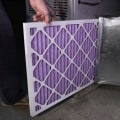
When it comes to maintaining a comfortable living environment, understanding HVAC systems is essential. HVAC stands for Heating, Ventilation, and Air Conditioning, and these systems play a crucial role in regulating indoor temperatures and air quality. Whether you are looking to keep your home warm during the chilly winter months or cool during the sweltering summer heat, having a reliable HVAC system is key to ensuring your comfort.There are several types of HVAC systems available, each designed to meet different needs and preferences. The most common types include central air conditioning systems, ductless mini-split systems, heat pumps, and furnaces.
Central air conditioning systems are ideal for larger homes as they distribute cool air through a network of ducts. On the other hand, ductless mini-split systems offer flexibility and efficiency for homes without existing ductwork. Heat pumps serve a dual purpose by providing both heating and cooling, making them an energy-efficient option for moderate climates. Lastly, traditional furnaces are widely used for heating purposes and can be powered by gas, electricity, or oil.Understanding the various types of HVAC systems is vital when considering a purchase.
Not only do these systems impact your home's comfort level, but they also influence energy efficiency and utility costs. As you explore options for HVAC near me , it's important to consider factors such as the size of your home, your budget, and your specific heating and cooling needs. By doing so, you can make an informed decision that will enhance your living space while also being mindful of energy consumption.
When is the Best Time to Buy an HVAC System?
Determining the best time to buy an HVAC system can significantly impact your overall investment. Understanding seasonal trends in pricing and demand is crucial for making an informed decision.Here’s a breakdown of when to consider purchasing your HVAC system.
Spring: The Ideal Time for Purchase
Spring is often regarded as the prime season for buying an HVAC system. As temperatures begin to rise, homeowners start thinking about air conditioning, leading to increased demand. However, this is also when manufacturers release their latest models, which can lead to competitive pricing. If you’re looking for the best deals, aim to purchase your system in late March or early April, just before the summer rush.
Summer: High Demand and Prices
During the summer months, demand for HVAC systems peaks.
This is when most homeowners realize their current systems are inadequate or malfunctioning. Consequently, prices tend to be higher due to increased demand and limited availability. If you find yourself needing a new system during this time, be prepared for potentially inflated costs.
Fall: A Sweet Spot for Deals
As summer winds down and temperatures begin to cool, many homeowners shift their focus away from air conditioning. This decline in demand often leads to significant discounts on HVAC systems.
Fall is an excellent time to shop around for deals, especially in September and October. Many contractors are eager to fill their schedules before winter sets in, making it a favorable time for negotiations.
Winter: Off-Season Opportunities
While winter may not seem like the ideal time to purchase an HVAC system, it can offer unique advantages. Many retailers and contractors provide off-season discounts on heating systems during this period. If you’re considering a new furnace or heat pump, January and February can yield lower prices as companies look to clear out inventory before spring.
Consulting Local Experts
If you’re unsure about the timing of your purchase, consider reaching out to local HVAC professionals by searching for HVAC near me.
They can provide insights tailored to your specific region and needs, helping you navigate seasonal trends effectively.In summary, understanding the seasonal dynamics of HVAC pricing can empower you to make a more strategic purchase. Whether you choose to buy in spring, fall, or even winter, being informed will help you secure the best deal possible.
Factors Influencing HVAC Prices Throughout the Year
When considering the purchase of a new HVAC system, it is crucial to understand the various factors that can influence pricing throughout the year. These factors can significantly affect your overall investment and help you determine the best time to buy. Here are some key elements to consider:- Seasonal Demand: The demand for HVAC systems fluctuates with the seasons.
Typically, spring and summer see a surge in demand for air conditioning units, while fall and winter are more focused on heating systems. This seasonal shift can lead to higher prices during peak demand periods. If you are searching for HVAC near me, you may notice that local contractors often raise their prices during these busy months due to increased workload.
- Manufacturer Releases: Many HVAC manufacturers introduce new models and technologies at the beginning of the year or just before summer. This timing can create a competitive market where older models may be discounted to make way for new inventory.
If you are looking for the best deals, consider shopping during these transitional periods when older models are still available.
- Local Market Conditions: The HVAC market can vary significantly based on geographic location. Factors such as climate, local regulations, and competition among contractors can all influence pricing. For instance, areas with extreme temperatures may experience higher prices due to increased demand for reliable heating and cooling solutions. Researching local market conditions can provide valuable insights into when to buy.
- Promotions and Incentives: Many HVAC companies offer seasonal promotions or incentives to attract customers during slower months.
These deals can include discounts, financing options, or rebates from manufacturers. Keeping an eye on these promotions can lead to significant savings on your HVAC purchase.
- Installation Costs: The cost of installation can also vary throughout the year. During peak seasons, contractors may charge more due to high demand for their services. Conversely, off-peak times may offer lower installation rates as contractors look to fill their schedules.
Timing your purchase with installation in mind can help you save money.
The Benefits of Off-Season Purchases
Purchasing an HVAC system during the off-season can offer numerous advantages that savvy homeowners should consider. Not only can you save money, but you also gain access to a wider selection of models and enjoy a more convenient installation process.Cost Savings
One of the most compelling reasons to buy an HVAC system off-season is the potential for significant cost savings. During peak seasons, demand for HVAC systems skyrockets, leading to inflated prices.
Conversely, when you purchase during the off-peak months—typically late fall or winter for heating systems and early spring for cooling systems—you are more likely to find discounts and promotions. Many retailers and contractors offer special deals to encourage sales during these slower periods, making it an ideal time to invest in a new system.
Increased Availability
Another benefit of off-season purchases is the increased availability of models. When demand is low, manufacturers and retailers are more likely to have a full inventory of HVAC systems. This means you can take your time to compare different models, features, and energy efficiency ratings without feeling rushed.
You can also explore various brands and find the perfect fit for your home’s specific needs.
Convenient Installation Scheduling
Scheduling installation during the off-season can also be advantageous. HVAC contractors often have more flexible schedules when they are not inundated with emergency repairs or installations. This flexibility allows you to choose a time that works best for you, minimizing disruption to your daily routine. Additionally, contractors may be able to dedicate more time and attention to your installation, ensuring that everything is done correctly and efficiently.
Expert Consultation
When purchasing an HVAC system during the off-season, you also have the opportunity to consult with experts without the pressure of immediate demand.
This means you can ask questions about energy efficiency, maintenance tips, and any available rebates or incentives that may apply to your purchase. A knowledgeable contractor can guide you through the selection process, helping you make an informed decision that aligns with your budget and comfort needs.In summary, buying an HVAC system during off-peak seasons not only helps you save money but also provides access to a broader range of options and more convenient installation scheduling. If you're searching for HVAC near me, consider timing your purchase wisely to maximize these benefits.
How to Choose the Right HVAC System for Your Home
Choosing the right HVAC system for your home is a crucial decision that can significantly impact your comfort and energy bills. With various options available, it’s essential to consider several factors to ensure you select the best system for your needs.1.Assess Your Home Size
The first step in selecting an HVAC system is to evaluate the size of your home.
The heating and cooling capacity of an HVAC system is measured in BTUs (British Thermal Units). A system that is too small will struggle to maintain comfortable temperatures, while one that is too large can lead to inefficient operation and increased energy costs. To determine the appropriate size, consider:
- The total square footage of your home
- The number of rooms and their layout
- The insulation quality of your home
2.Energy Efficiency Ratings
Energy efficiency is another critical factor when choosing an HVAC system. Look for units with high SEER (Seasonal Energy Efficiency Ratio) ratings for air conditioners and AFUE (Annual Fuel Utilization Efficiency) ratings for furnaces.
Higher ratings indicate better energy efficiency, which can lead to significant savings on your utility bills over time. Additionally, consider systems that are ENERGY STAR certified, as they meet strict efficiency guidelines set by the EPA.
3.Budget Considerations
Your budget will play a significant role in your decision-making process. While it may be tempting to opt for the cheapest option available, investing in a quality HVAC system can save you money in the long run through lower energy costs and fewer repairs. When budgeting, consider:
- Initial purchase and installation costs
- Long-term energy savings
- Potential maintenance and repair expenses
4.Research Local Options
When searching for an HVAC system, use keywords like "HVAC near me" to find local contractors who can provide personalized recommendations based on your specific needs.
Local experts can assess your home and suggest systems that are best suited for your climate and lifestyle.By carefully considering these factors—home size, energy efficiency, budget, and local options—you can make an informed decision when selecting the right HVAC system for your home. This thoughtful approach will not only enhance your comfort but also contribute to long-term savings and efficiency.
Consulting with Professionals: When and Why?
When considering the purchase of a new HVAC system, consulting with professional HVAC contractors is crucial. These experts possess the knowledge and experience necessary to guide you through the complexities of selecting the right system for your home. Understanding when to seek their advice can significantly impact your decision-making process and ultimately lead to better outcomes.Why Consult HVAC Professionals?
- Expertise in System Selection: HVAC professionals are trained to assess your specific needs based on factors such as home size, insulation, and local climate.
They can recommend systems that not only fit your budget but also provide optimal efficiency and comfort.
- Installation Insights: Proper installation is key to the performance of your HVAC system. Professionals can advise on the best practices for installation, ensuring that your system operates at peak efficiency from day one.
- Maintenance Recommendations: An HVAC contractor can provide valuable insights into maintenance schedules and practices that will prolong the life of your system, saving you money in the long run.
- Access to Deals: Many contractors have relationships with manufacturers and may offer discounts or promotions that are not available to the general public.
When to Seek Professional Advice
It’s advisable to consult with HVAC professionals at several key points during your purchasing journey:
- Before You Start Shopping: Engaging with a contractor early in the process allows you to understand what features are essential for your home and budget. This knowledge can help you avoid overspending on unnecessary features.
- During System Comparisons: If you’re torn between different models or brands, a professional can provide insights into reliability, efficiency ratings, and long-term costs associated with each option.
- Before Installation: Once you’ve selected a system, discussing installation logistics with a contractor ensures that you’re prepared for any challenges that may arise during the process.
Finding HVAC Professionals Near You
If you're searching for HVAC near me, consider using online resources or local directories to find reputable contractors in your area. Look for reviews and testimonials from previous customers to gauge their reliability and quality of service.
Additionally, don’t hesitate to ask for recommendations from friends or family who have recently had HVAC work done.In conclusion, consulting with professional HVAC contractors is an essential step in making an informed purchase decision. Their expertise not only helps you choose the right system but also ensures that it is installed correctly and maintained properly, leading to a comfortable and efficient home environment.
Common Mistakes to Avoid When Buying an HVAC System
Purchasing a new HVAC system is a significant investment, and making the wrong choices can lead to unnecessary expenses and discomfort. Here are some common mistakes to avoid when buying an HVAC system:- Neglecting to Research Options: One of the biggest pitfalls is failing to explore different brands and models. Each HVAC system has unique features, efficiencies, and price points.
Take the time to compare options and read reviews to find the best fit for your needs.
- Ignoring Energy Efficiency Ratings: Many consumers overlook the importance of energy efficiency ratings, such as SEER (Seasonal Energy Efficiency Ratio) for air conditioners and AFUE (Annual Fuel Utilization Efficiency) for furnaces. Investing in a more efficient system can lead to significant savings on energy bills over time.
- Choosing the Cheapest Option: While it may be tempting to go for the lowest price, this can often lead to poor quality and higher long-term costs. A cheaper system may not last as long or perform as well as a slightly more expensive, high-quality unit.
- Overlooking Installation Costs: The cost of the HVAC unit itself is only part of the equation. Installation costs can vary significantly based on the complexity of the job and the contractor's expertise.
Always get multiple quotes and ensure that installation is included in your budget.
- Failing to Consider System Size: An improperly sized HVAC system can lead to inefficiency and discomfort. A unit that is too small will struggle to cool or heat your home, while one that is too large will cycle on and off frequently, wasting energy. Consult with a professional to determine the right size for your space.
- Not Checking for Rebates or Incentives: Many utility companies offer rebates or incentives for purchasing energy-efficient HVAC systems. Failing to check for these opportunities can mean missing out on significant savings.
- Skipping Maintenance Considerations: When purchasing an HVAC system, consider the maintenance requirements.
Some systems may require more frequent servicing than others. Understanding these needs upfront can help you avoid unexpected costs down the line.
FAQs About Buying an HVAC System
When considering the purchase of a new HVAC system, many homeowners have questions that can significantly impact their decision-making process. Below are some of the most frequently asked questions regarding HVAC systems, along with clear and concise answers to help guide your purchase.What should I consider when buying an HVAC system?
When purchasing an HVAC system, consider the following factors:- Size: Ensure the system is appropriately sized for your home.
An oversized or undersized unit can lead to inefficiency and increased energy costs.
- Energy Efficiency: Look for units with high SEER (Seasonal Energy Efficiency Ratio) ratings. Higher efficiency often translates to lower utility bills.
- Brand Reputation: Research different brands and read reviews. Some brands are known for reliability and customer service.
- Installation Costs: Get multiple quotes from local contractors to compare installation costs. Remember that the cheapest option may not always be the best.
When is the best time to buy an HVAC system?
The ideal time to purchase an HVAC system is typically during the off-peak seasons, such as late fall or early spring.During these times, demand is lower, and you may find better deals. Additionally, many manufacturers release new models in the spring, which can lead to discounts on older models.
How do I find reliable HVAC contractors near me?
To find reputable HVAC near me, consider the following steps:- Online Reviews: Check platforms like Google, Yelp, or Angie's List for customer reviews and ratings.
- Referrals: Ask friends, family, or neighbors for recommendations based on their experiences.
- Certifications: Ensure that the contractor is licensed and insured. Look for certifications from recognized organizations like NATE (North American Technician Excellence).
What financing options are available for HVAC systems?
Many HVAC companies offer financing options to help spread out the cost of a new system. Options may include:- Installment Plans: Monthly payment plans that allow you to pay over time.
- Credit Cards: Some homeowners choose to use credit cards with promotional financing offers.
- Manufacturer Financing: Some manufacturers provide financing through their dealers, often with special promotions or low-interest rates.
Conclusion: Making an Informed Decision on Your HVAC Purchase
In conclusion, making an informed decision about purchasing an HVAC system is crucial for ensuring both comfort and cost-effectiveness in your home.Throughout this article, we have explored various factors that influence the timing of your HVAC purchase, emphasizing the importance of understanding market trends and seasonal fluctuations.One of the key takeaways is that while many homeowners believe that buying during the off-season guarantees lower prices, this is not always the case. The demand for HVAC systems can vary significantly throughout the year, and understanding these patterns can help you make a more strategic decision. For instance, purchasing an air conditioning unit just before summer or during the early months of the year can often yield better deals.Additionally, consulting with local HVAC professionals can provide valuable insights tailored to your specific needs and location. Searching for HVAC near me can connect you with experts who understand regional pricing trends and installation schedules.
They can guide you on when to buy based on your unique circumstances, ensuring that you are not only getting a good price but also a quality installation.Moreover, considering the long-term implications of your purchase is essential. Investing in a high-quality HVAC system may require a larger upfront cost, but it can lead to significant savings on energy bills and maintenance in the long run. Therefore, it’s important to weigh both immediate costs and future benefits when making your decision.Finally, remember that timing is just one aspect of the purchasing process. Researching different models, understanding energy efficiency ratings, and evaluating warranty options are all critical components that contribute to a successful HVAC investment.
By taking the time to gather information and plan ahead, you can ensure that your new HVAC system meets your needs effectively while also fitting within your budget.In summary, being proactive and informed about your HVAC purchase will not only enhance your comfort but also provide peace of mind knowing that you made a well-considered decision. Whether you are looking for heating or cooling solutions, understanding when to buy and how to choose wisely will ultimately lead to a more satisfying experience.