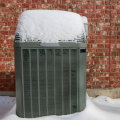
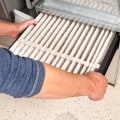
When it comes to maintaining a comfortable indoor environment, understanding your HVAC system is essential. HVAC, which stands for heating, ventilation, and air conditioning, plays a crucial role in regulating temperature and air quality in homes and businesses alike. As you search for HVAC near me, it’s important to recognize that these systems are not just a collection of parts; they are intricate systems designed to work together seamlessly. Each component has its own function, but they all contribute to the overall efficiency and effectiveness of your heating and cooling needs.Among the various components of an HVAC system, the compressor stands out as one of the most vital.
Often referred to as the heart of the system, the compressor is responsible for circulating refrigerant throughout the system, enabling it to absorb heat from inside your home and release it outside. This process is what ultimately cools the air that circulates through your living spaces. Understanding how the compressor works and its significance can help homeowners make informed decisions when it comes to maintenance, repairs, or even replacement.Moreover, recognizing the importance of each component in your HVAC system can lead to better energy efficiency and cost savings over time. A well-maintained system not only enhances comfort but also reduces energy bills and extends the lifespan of your equipment.
As you delve deeper into this topic, you will discover how crucial it is to choose a reliable HVAC service provider who can guide you through the complexities of your system. Whether you’re looking for routine maintenance or emergency repairs, knowing what to expect from your HVAC components will empower you as a homeowner.
What is an HVAC Compressor?
An HVAC compressor is a vital component of your heating, ventilation, and air conditioning system. It plays a crucial role in the refrigeration cycle, which is essential for cooling your home. Essentially, the compressor acts as a pump that circulates refrigerant throughout the system, enabling it to absorb heat from inside your home and release it outside.To understand the function of an HVAC compressor, it's important to recognize its position within the overall system.The compressor takes low-pressure refrigerant gas from the evaporator coil and compresses it into a high-pressure gas. This process increases the temperature of the refrigerant, allowing it to flow to the condenser coil, where it releases heat and transforms back into a liquid state. This cycle continues as long as your air conditioning system is running, making the compressor an indispensable part of maintaining a comfortable indoor environment.
Types of HVAC Compressors
There are several types of compressors used in HVAC systems, each with its own unique characteristics and applications:- Reciprocating Compressors: These are among the most common types found in residential HVAC systems. They use pistons to compress the refrigerant and are known for their reliability and efficiency.
- Scroll Compressors: Scroll compressors utilize two spiral-shaped scrolls to compress the refrigerant.
They are quieter and more efficient than reciprocating compressors, making them a popular choice for modern systems.
- Screw Compressors: Typically used in larger commercial systems, screw compressors employ two helical screws to compress the refrigerant. They are highly efficient and can handle large volumes of refrigerant.
- Centrifugal Compressors: These compressors use a rotating disk to increase the velocity of the refrigerant, which is then converted into pressure. They are primarily used in large-scale industrial applications due to their high capacity.
The Role of the Compressor in Your HVAC System
The compressor is a pivotal component of your HVAC system, often referred to as its "heart" due to its essential role in maintaining comfortable indoor temperatures.Understanding how the compressor functions can help homeowners appreciate its importance and make informed decisions regarding HVAC near me services.At its core, the compressor's primary function is to circulate refrigerant throughout the HVAC system. This process begins when the compressor draws in low-pressure refrigerant gas from the evaporator coil. Once inside, the compressor compresses this gas, raising its pressure and temperature significantly. This transformation is crucial because it prepares the refrigerant for the next stage of the cooling cycle.After compression, the high-pressure gas flows into the condenser coil, where it releases heat absorbed from your home.
As it cools down, the refrigerant transitions from a gas to a liquid state. This phase change is vital for effective heat exchange and temperature regulation within your living space.Once the refrigerant has cooled and condensed, it returns to the evaporator coil to absorb heat from your home again, completing the cycle. This continuous loop of compression and expansion is what allows your HVAC system to maintain a consistent and comfortable indoor climate.Moreover, the efficiency of your HVAC system heavily relies on the compressor's performance. A well-functioning compressor not only ensures optimal cooling but also contributes to energy savings.
If your compressor is malfunctioning or inefficient, it can lead to increased energy consumption and higher utility bills.In summary, understanding the role of the compressor in your HVAC system is crucial for homeowners. Regular maintenance and timely repairs can extend its lifespan and enhance overall system efficiency. When searching for HVAC near me, consider companies that prioritize comprehensive service plans that include compressor checks and maintenance to ensure your system operates smoothly year-round.
Cost Factors Associated with HVAC Compressors
When it comes to understanding the costs associated with HVAC compressors, several key factors come into play. These factors not only influence the initial purchase price but also affect long-term operational costs and potential repair expenses.- Brand Reputation: The brand of the compressor can significantly impact its price.
Well-known brands often come with a higher price tag due to their reputation for quality and reliability. Investing in a reputable brand can lead to fewer repairs and longer lifespan, ultimately saving you money.
- Type of Compressor: There are various types of compressors, including reciprocating, scroll, and rotary compressors. Each type has its own cost structure based on efficiency, performance, and application. For instance, scroll compressors tend to be more efficient and quieter but may come at a premium compared to traditional reciprocating models.
- Size and Capacity: The size of the compressor is another critical factor.
Compressors are rated by their capacity to cool or heat a specific area. A larger capacity compressor will generally cost more than a smaller one. However, selecting the right size for your home is essential; an oversized unit can lead to inefficiencies and increased energy costs.
- Installation Costs: The cost of installation can vary widely depending on the complexity of the job and the rates charged by HVAC professionals in your area. Installation may involve additional components such as refrigerant lines, electrical work, or duct modifications, all of which can add to the overall expense.
- Labor Costs: Labor costs can fluctuate based on geographic location and the experience level of the technician performing the installation or replacement.
In areas where HVAC services are in high demand, you may find that labor costs are higher.
- Warranty and Service Plans: Many manufacturers offer warranties that can cover parts and labor for a specified period. Opting for a compressor with a robust warranty can provide peace of mind and protect against unexpected expenses down the line.
Signs Your Compressor May Need Repair or Replacement
Understanding the signs that your HVAC compressor may need repair or replacement is crucial for maintaining a comfortable home environment and avoiding unexpected expenses. Here are some common symptoms that indicate your compressor might be malfunctioning:- Unusual Noises: If you hear strange sounds such as grinding, squealing, or clanking coming from your HVAC unit, it could be a sign of a failing compressor.
These noises often indicate that internal components are wearing out or that there is a mechanical issue.
- Inconsistent Cooling: A well-functioning compressor should provide consistent cooling throughout your home. If you notice hot spots or uneven temperatures in different rooms, it may be time to investigate the compressor's performance.
- Increased Energy Bills: A sudden spike in your energy bills can signal that your HVAC system is working harder than it should. If the compressor is struggling to maintain the desired temperature, it will consume more energy, leading to higher costs.
- Short Cycling: If your air conditioning unit frequently turns on and off without completing a full cooling cycle, this short cycling can put excessive strain on the compressor. This behavior often indicates an underlying issue that needs to be addressed.
- Refrigerant Leaks: If you notice any signs of refrigerant leaks, such as ice buildup on the coils or a hissing sound, it could mean that the compressor is not functioning properly.
Low refrigerant levels can lead to inadequate cooling and further damage to the system.
- Age of the Unit: Most compressors have a lifespan of about 10 to 15 years. If your system is approaching this age and you start experiencing issues, it may be more cost-effective to consider a replacement rather than repairs.
Choosing the Right HVAC System for Your Home
When it comes to selecting the right HVAC system for your home, understanding your specific needs and the characteristics of your living space is crucial. An improperly sized system can lead to inefficiencies, increased energy costs, and a shortened lifespan for your equipment.Here are some key factors to consider when choosing the best HVAC system for your home.
Understanding HVAC Sizing
The first step in selecting an HVAC system is understanding the concept of sizing. HVAC systems are rated in BTUs (British Thermal Units), which measure the amount of heat the system can remove from your home in an hour. To determine the appropriate size for your home, you should consider:- Square Footage: The total area of your home plays a significant role in determining the size of the HVAC unit you need. Larger homes typically require more powerful systems.
- Insulation Quality: Well-insulated homes retain heat better, which may allow for a smaller system.
Conversely, poorly insulated homes may require a larger unit to compensate for heat loss.
- Climate Zone: The local climate affects how much heating or cooling is necessary. Homes in hotter climates may need more cooling capacity, while those in colder areas may require more heating.
- Number of Windows: The number and type of windows can impact energy efficiency. Homes with many windows or large glass surfaces may need additional cooling capacity due to heat gain.
Choosing the Right Type of HVAC System
Once you have a clear understanding of sizing, the next step is to choose the type of HVAC system that best suits your needs. There are several options available:- Central Air Conditioning: Ideal for larger homes, this system uses ductwork to distribute cooled air throughout the house.
- Ductless Mini-Split Systems: These systems are perfect for homes without existing ductwork and allow for zoned heating and cooling.
- Heat Pumps: Efficient for both heating and cooling, heat pumps can be a great option in moderate climates.
- Geothermal Systems: Utilizing the earth's stable temperature, these systems are highly efficient but come with a higher upfront cost.
By taking these factors into account and consulting with a professional, you can ensure that you choose an efficient and effective system that meets your needs while keeping energy costs manageable.
The Importance of Professional Installation and Maintenance
When it comes to your HVAC system, the significance of professional installation and maintenance cannot be overstated. Many homeowners underestimate the impact that a qualified technician can have on the performance and longevity of their heating and cooling systems. A well-installed HVAC system not only operates more efficiently but also reduces the likelihood of costly repairs down the line.Why Professional Installation Matters
- Correct Sizing: One of the most critical aspects of HVAC installation is ensuring that the system is appropriately sized for your home. An oversized unit can lead to short cycling, where the system turns on and off frequently, causing wear and tear.
Conversely, an undersized unit will struggle to maintain comfortable temperatures, leading to increased energy bills.
- Proper Ductwork: The effectiveness of your HVAC system is heavily reliant on the ductwork. Professionals ensure that ducts are sealed correctly and free from leaks, which can significantly affect airflow and efficiency.
- Compliance with Local Codes: Professional installers are familiar with local building codes and regulations, ensuring that your system meets all necessary standards for safety and efficiency.
The Role of Regular Maintenance
Once your HVAC system is installed, regular maintenance becomes essential. Here are some key benefits:
- Enhanced Efficiency: Routine maintenance helps keep your system running at peak efficiency. This includes cleaning filters, checking refrigerant levels, and inspecting components for wear.
- Extended Lifespan: Just like any other mechanical system, regular maintenance can extend the lifespan of your HVAC unit.
By addressing minor issues before they escalate into major problems, you can avoid premature replacement costs.
- Improved Air Quality: A well-maintained HVAC system contributes to better indoor air quality by reducing dust, allergens, and other pollutants circulating in your home.
Benefits of Hiring HVAC Professionals
While DIY projects can be tempting, hiring a professional HVAC technician offers numerous advantages:
- Expertise: Professionals bring years of training and experience to the table, allowing them to diagnose issues quickly and accurately.
- Warranty Protection: Many manufacturers require professional installation to maintain warranty coverage. Attempting to install or repair your system yourself could void this important protection.
- Peace of Mind: Knowing that a qualified expert is handling your HVAC needs allows you to focus on other aspects of homeownership without worrying about potential issues.
Frequently Asked Questions About HVAC Compressors
Understanding HVAC compressors can be daunting, especially for homeowners who may not be familiar with the technical aspects of their heating and cooling systems. Here are some frequently asked questions that can help clarify common concerns and troubleshooting tips related to HVAC compressors.What is an HVAC compressor and what does it do?
The HVAC compressor is a vital component of your air conditioning system.It compresses the refrigerant gas, raising its pressure and temperature before sending it to the condenser coils. This process is essential for the cooling cycle, as it allows the refrigerant to release heat outside your home, thus cooling the air that circulates indoors.
How can I tell if my compressor is failing?
There are several signs that may indicate a failing compressor:- Unusual noises: If you hear clanking, buzzing, or grinding sounds coming from your unit, it could signal a problem.
- Inconsistent cooling: If some rooms in your home are warmer than others or if your system struggles to maintain the set temperature, the compressor may be at fault.
- Increased energy bills: A failing compressor can cause your system to work harder, leading to higher energy costs.
- Freon leaks: If you notice a refrigerant leak around your unit, it could indicate a serious issue with the compressor.
What should I do if my compressor is not working?
If you suspect that your HVAC compressor is malfunctioning, it’s crucial to take action promptly:- Turn off the system: To prevent further damage, switch off your HVAC system immediately.
- Check the power supply: Ensure that the unit is receiving power and that there are no blown fuses or tripped breakers.
- Inspect for visible issues: Look for any signs of damage or leaks around the compressor.
- Contact a professional: It’s best to consult with an experienced HVAC technician who can diagnose and repair the issue effectively.
How long do HVAC compressors typically last?
The lifespan of an HVAC compressor can vary based on several factors, including usage, maintenance, and environmental conditions. On average, a well-maintained compressor can last between 10 to 15 years. Regular maintenance checks can help extend its life and ensure optimal performance.If you have more questions about your HVAC system or need assistance with your compressor, don’t hesitate to reach out to local professionals by searching for HVAC near me.They can provide tailored advice and services to keep your system running smoothly.
Conclusion: Understanding Your Compressor for Better Home Comfort
In conclusion, understanding the role of the compressor in your HVAC system is essential for maintaining a comfortable and efficient home environment. As the core component responsible for circulating refrigerant, the compressor directly impacts your system's ability to cool or heat your living space effectively. Recognizing its significance can help you make informed decisions regarding your HVAC needs.Throughout this article, we have explored various aspects of the compressor, including:- Functionality: The compressor compresses refrigerant gas, raising its temperature and pressure before it moves to the condenser. This process is vital for the cooling cycle.
- Cost Implications: Compressors are one of the most expensive components of an HVAC system.
Understanding their cost can help you budget for repairs or replacements more effectively.
- Maintenance Importance: Regular maintenance can extend the lifespan of your compressor and improve overall system efficiency. Simple tasks like changing filters and scheduling professional inspections can prevent costly breakdowns.
- Choosing the Right System: Selecting an HVAC system that fits your home’s specific needs is crucial. An improperly sized system can lead to increased wear on the compressor and higher energy bills.
A knowledgeable technician can help ensure that your compressor—and your entire HVAC system—operates at peak performance.Ultimately, investing time in understanding your HVAC compressor will pay off in improved efficiency, lower energy bills, and a more comfortable living environment for you and your family.