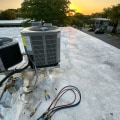
Air conditioning systems are essential for maintaining comfort in our homes, especially during the sweltering summer months. Understanding how these systems operate is crucial not only for enjoying a cool environment but also for recognizing when repairs are necessary. At their core, air conditioners function by removing heat and humidity from indoor air, circulating cool air back into the living space. This process involves several key components, each playing a vital role in the overall efficiency and effectiveness of the system.The primary components of an air conditioning system include the compressor, condenser, evaporator coil, and expansion valve.
The compressor acts as the heart of the system, pumping refrigerant through the coils to facilitate heat exchange. The condenser releases heat absorbed from inside your home to the outside environment, while the evaporator coil absorbs heat from indoor air, cooling it before it is circulated back into your living space. The expansion valve regulates the flow of refrigerant, ensuring that the system operates efficiently.When searching for HVAC near me, it's important to consider not just the immediate need for repairs but also how well you understand your air conditioning system's functionality. Familiarity with these components can help you identify potential issues early on, which can save you significant costs in repairs down the line.
For instance, if you notice that your air conditioner is not cooling effectively or is making unusual noises, knowing what each part does can guide you in determining whether a simple fix or a more complex repair is needed.In addition to understanding how air conditioners work, being aware of their maintenance needs is equally important. Regular upkeep can prevent minor issues from escalating into costly repairs. By staying informed about your system's operation and maintenance requirements, you can ensure that your air conditioning unit remains in optimal condition, providing comfort and efficiency for years to come.
The Most Expensive Repairs: A Closer Look at the Compressor
When it comes to air conditioning systems, the compressor is often regarded as the heart of the unit. Its primary function is to compress and circulate refrigerant, which is essential for cooling your home.However, this critical component also comes with a hefty price tag when it needs repair or replacement. Understanding the factors that contribute to the high cost of compressor repairs can help homeowners make informed decisions about their HVAC systems.One of the main reasons the compressor is so expensive to replace is its complexity. Compressors are intricate machines that require precise engineering to function effectively. When a compressor fails, it often indicates a deeper issue within the system, such as refrigerant leaks or electrical problems.
This means that simply replacing the compressor may not resolve the underlying issues, leading to additional costs.Another factor influencing the compressor replacement cost is the brand and model of your air conditioning unit. Different manufacturers use various types of compressors, and some may have proprietary parts that are only available through authorized dealers. This can significantly increase repair costs, especially if your unit is an older model that requires hard-to-find components.Additionally, labor costs play a significant role in the overall expense of compressor repairs. HVAC technicians typically charge by the hour, and replacing a compressor can be a time-consuming process.
The technician must first diagnose the problem, remove the faulty compressor, and then install a new one while ensuring that all connections are secure and functioning properly.Moreover, geographical location can also affect repair costs. If you search for HVAC near me, you may find that prices vary significantly based on local market conditions and demand for HVAC services. In areas with a high cost of living or limited competition among service providers, you may encounter higher prices for both parts and labor.In conclusion, while the compressor is undoubtedly one of the most expensive components to repair or replace in an air conditioning system, understanding the factors that contribute to its cost can empower homeowners. By being proactive about maintenance and addressing issues early on, you can potentially save yourself from facing these costly repairs down the line.
Common Air Conditioner Issues and Their Costs
Air conditioning units are essential for maintaining comfort in our homes, especially during the sweltering summer months.However, like any mechanical system, they are prone to various issues that can lead to costly repairs. Understanding these common problems and their associated costs can help homeowners make informed decisions when seeking HVAC near me services.Here are some of the most frequent air conditioner issues and what you can expect in terms of repair costs:
- Refrigerant Leaks: One of the most common problems is a refrigerant leak. This issue not only affects the cooling efficiency but can also lead to compressor failure if not addressed promptly. Repairing a refrigerant leak typically costs between $200 and $1,500, depending on the severity and location of the leak.
- Clogged Filters: Dirty or clogged air filters can restrict airflow, causing your system to work harder and potentially leading to overheating.
Replacing a filter is relatively inexpensive, usually costing around $20 to $50. However, neglecting this issue can result in more significant repairs down the line.
- Faulty Thermostat: A malfunctioning thermostat can lead to inconsistent temperatures and increased energy bills. Repairing or replacing a thermostat generally costs between $100 and $300, depending on the type and complexity of the unit.
- Compressor Issues: As previously mentioned, the compressor is one of the most critical components of an air conditioning system. If it fails, replacement costs can range from $1,200 to $2,500.
Regular maintenance can help prevent compressor issues.
- Electrical Failures: Problems with electrical components such as capacitors or contactors can cause your air conditioner to stop working altogether. Repairing these issues typically costs between $100 and $400, depending on the specific part that needs attention.
If you notice any signs of trouble with your air conditioning system, such as unusual noises or inconsistent cooling, it’s wise to contact a professional for an evaluation. Searching for HVAC near me can connect you with local experts who can diagnose and resolve these issues efficiently.
Factors Influencing Repair Costs
When it comes to air conditioner repairs, understanding the various factors that influence costs can help homeowners make informed decisions. Here are some key elements to consider:- Type of Repair Needed: The nature of the repair plays a significant role in determining costs. For instance, replacing a compressor is typically one of the most expensive repairs, while minor fixes like changing a filter or tightening loose connections are relatively inexpensive.
- Age of the Unit: Older air conditioning systems often require more frequent repairs and may need specialized parts that are harder to find.
As units age, their efficiency tends to decline, leading to potential issues that can escalate repair costs.
- Brand and Model: Different brands have varying reputations for reliability and parts availability. Some manufacturers use proprietary components that can only be sourced from them, which can drive up repair costs. Researching brands and their service histories can provide insight into potential future expenses.
- Severity of the Issue: The extent of the problem significantly impacts repair costs. A simple issue like a clogged drain line may only require a quick cleaning, while a refrigerant leak could necessitate extensive diagnostics and repairs, leading to higher expenses.
- Labor Costs: The cost of labor can vary widely depending on your location and the expertise of the technician.
In areas where HVAC services are in high demand, you may find that labor costs are elevated. Searching for HVAC near me can help you compare local rates.
- Maintenance History: Regular maintenance can prevent many costly repairs. If your air conditioning system has been neglected, it may be more prone to breakdowns. Investing in routine check-ups can save you money in the long run by catching issues before they escalate.
Whether you're facing an immediate issue or planning for future maintenance, understanding these elements is crucial for effective budgeting and ensuring your home remains comfortable.
Signs Your Air Conditioner Needs Repair
Recognizing the signs that your air conditioner needs repair is crucial for maintaining a comfortable home environment and avoiding costly breakdowns. Here are some key indicators that your AC unit may require professional attention:- Unusual Noises: If your air conditioner starts making strange sounds such as grinding, squealing, or banging, it could indicate a mechanical issue. These noises often suggest that components are wearing out or have become loose, necessitating immediate inspection by an HVAC technician.
- Inconsistent Temperatures: If certain rooms in your home are significantly warmer or cooler than others, it may be a sign of airflow issues or a malfunctioning thermostat. This inconsistency can lead to discomfort and increased energy bills.
- Warm Air Blowing: One of the most obvious signs of trouble is when your air conditioner blows warm air instead of cool.
This could be due to a refrigerant leak, a faulty compressor, or other serious issues that require prompt attention.
- Frequent Cycling: If your air conditioner frequently turns on and off (a phenomenon known as short cycling), it may be struggling to maintain the desired temperature. This can lead to increased wear and tear on the system and higher energy costs.
- High Humidity Levels: An effective air conditioning system should help control humidity levels in your home. If you notice excessive moisture or condensation on windows, it may indicate that your AC is not functioning properly.
- Foul Odors: Unpleasant smells emanating from your air conditioning unit can signal mold growth or electrical issues. These odors should not be ignored, as they can pose health risks and indicate serious problems.
- Increased Energy Bills: A sudden spike in your energy bills without a corresponding increase in usage can indicate that your air conditioner is working harder than it should be.
This inefficiency often points to underlying issues that need to be addressed.
Preventive Maintenance: Saving on Future Repairs
When it comes to air conditioning systems, the old adage "an ounce of prevention is worth a pound of cure" rings particularly true.Regular preventive maintenance is not just a good idea; it is essential for ensuring the longevity and efficiency of your unit. By investing in routine check-ups, homeowners can significantly reduce the likelihood of costly repairs down the line.
Understanding Preventive Maintenance
Preventive maintenance involves a series of scheduled inspections and services designed to keep your air conditioning system running smoothly. This proactive approach can help identify potential issues before they escalate into major problems. Common tasks include:
- Cleaning or replacing air filters
- Checking refrigerant levels
- Inspecting electrical components
- Cleaning condenser and evaporator coils
- Testing the thermostat for accuracy
A well-maintained unit can last up to 15 years or more, while neglecting maintenance can lead to premature failure.
The Financial Benefits of Regular Maintenance
One of the most compelling reasons to prioritize preventive maintenance is the potential for significant cost savings. Regularly serviced units operate more efficiently, which translates to lower energy bills. According to the U. S.
Department of Energy, proper maintenance can improve your system's efficiency by as much as 15%.Moreover, by catching minor issues early, you can avoid expensive repairs that may arise from neglect. For instance, a simple refrigerant leak can lead to compressor failure if not addressed promptly, resulting in a repair bill that could easily exceed $1,000.
Finding HVAC Services Near You
If you're wondering how to get started with preventive maintenance, searching for HVAC near me can connect you with local professionals who specialize in air conditioning services. Many HVAC companies offer maintenance plans that include regular inspections and priority service for repairs, making it easier for homeowners to stay on top of their system's needs.In conclusion, investing in preventive maintenance is a smart strategy for any homeowner looking to save on AC repairs and extend the life of their air conditioning unit. By taking proactive steps today, you can enjoy a comfortable home tomorrow without the worry of unexpected repair costs.
Choosing the Right HVAC Professional Near You
When it comes to maintaining your air conditioning system, finding a qualified HVAC technician near me is crucial.The right professional can ensure that your unit operates efficiently and lasts longer, saving you money in the long run. Here are some essential tips to help you choose the best HVAC services for your needs.
1.Check Credentials and Experience
- Always verify that the technician is licensed and insured. This protects you from liability in case of accidents during repairs.
- Look for technicians with extensive experience in the field. A seasoned professional will have encountered a variety of issues and will be better equipped to handle your specific problem.
2.Read Reviews and Testimonials
- Online reviews can provide valuable insights into the quality of service offered by local HVAC companies.
Websites like Yelp, Google Reviews, and Angie's List can help you gauge customer satisfaction.
- Ask friends, family, or neighbors for recommendations. Personal experiences often lead to trustworthy referrals.
3.Get Multiple Quotes
- Don’t settle for the first quote you receive. Contact several HVAC professionals to compare prices and services offered.
- Be wary of quotes that seem too good to be true; they may indicate subpar service or hidden fees.
4.Inquire About Warranties and Guarantees
- A reputable HVAC technician should offer warranties on their work and the parts they install. This shows confidence in their services and provides you with peace of mind.
- Ask about maintenance plans that can help prolong the life of your air conditioning system.
5.Evaluate Customer Service
- The way a company treats its customers can be a strong indicator of their overall quality.
Pay attention to how promptly they respond to inquiries and how willing they are to answer your questions.
- A good HVAC service provider should prioritize clear communication and transparency throughout the repair process.
Conclusion: Making Informed Decisions About Air Conditioner Repairs
In summary, understanding the intricacies of air conditioner repairs is crucial for homeowners looking to maintain a comfortable living environment. Throughout this article, we have explored the various components of air conditioning systems, with a particular focus on the compressor, which stands out as the most expensive part to replace. Recognizing the significance of this component can help you make informed decisions when faced with repair needs.We also discussed the different types of coils used in air conditioners, highlighting their efficiency and cost implications.From fin-and-tube designs to microchannel options, each type has its own advantages and disadvantages that can affect both performance and repair costs. Being aware of these differences allows you to choose a system that not only meets your cooling needs but also aligns with your budget.Moreover, we examined the factors influencing repair costs, such as the type of repair required, the age and brand of your unit, and the severity of the issue at hand. Understanding these elements can empower you to anticipate potential expenses and prioritize maintenance effectively. Regular upkeep can prevent minor issues from escalating into major repairs, ultimately saving you money in the long run.As a homeowner, it’s essential to stay vigilant for signs that your air conditioning system may need professional attention.
Unusual noises, inconsistent cooling, or failure to start are all indicators that should prompt immediate action. By addressing these concerns promptly, you not only enhance your comfort but also mitigate the risk of incurring higher repair costs later.In conclusion, being proactive about air conditioner maintenance and repairs is key to ensuring your system operates efficiently and effectively. By understanding the costs associated with repairs and recognizing when to seek help from an HVAC near me, you can make informed decisions that will benefit both your home and your wallet. Don’t wait until a minor issue becomes a costly problem; take charge of your air conditioning system today.