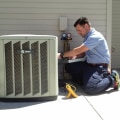
Replacing your HVAC system is not just a matter of upgrading to the latest technology; it is a crucial decision that can significantly impact your home’s comfort, energy efficiency, and overall cost savings. As systems age, they often become less efficient, leading to higher energy bills and inconsistent temperatures throughout your home. Understanding the importance of HVAC replacement is essential for homeowners who want to maintain a comfortable living environment while also being mindful of their energy consumption.One of the primary reasons to consider replacing your HVAC system is the advancement in technology. Modern HVAC systems are designed with improved energy efficiency ratings, which can lead to substantial savings on your utility bills.
For instance, newer models often come equipped with variable-speed motors and smart thermostats that allow for better temperature control and reduced energy usage. This means that not only will you enjoy a more comfortable home, but you will also contribute to a more sustainable environment by lowering your carbon footprint.Moreover, an outdated HVAC system can pose safety risks. Older units may not only struggle to maintain optimal temperatures but can also be prone to malfunctions that could lead to hazardous situations, such as gas leaks or electrical issues. By investing in a new system, you are not only enhancing your home’s comfort but also ensuring the safety of your family.In addition to comfort and safety, replacing your HVAC system can increase the value of your home.
Potential buyers are often attracted to homes with modern, efficient heating and cooling systems, making it a wise investment if you plan to sell in the future. Overall, understanding the importance of HVAC replacement is vital for any homeowner looking to improve their living conditions while enjoying long-term financial benefits.
Signs You Need to Replace Your HVAC System
Recognizing the signs that your HVAC system needs replacement is crucial for maintaining a comfortable and energy-efficient home. Here are some key indicators that suggest it may be time to invest in a new system:- Age of the System: If your HVAC system is over 10-15 years old, it is likely nearing the end of its lifespan. Older systems are not only less efficient but also more prone to breakdowns.
Consider replacing it before it fails completely.
- Increased Energy Bills: A sudden spike in your energy bills can indicate that your HVAC system is working harder than it should. If you notice a consistent increase in costs without a corresponding change in usage, it may be time to evaluate the efficiency of your system.
- Frequent Repairs: If you find yourself calling for repairs multiple times a year, this is a clear sign that your HVAC system is failing. Frequent breakdowns can add up quickly, making replacement a more cost-effective option in the long run.
- Inconsistent Temperatures: Are some rooms in your home too hot or too cold? Inconsistent heating or cooling can indicate that your HVAC system is struggling to maintain the desired temperature, often due to age or inefficiency.
- Unusual Noises: Strange sounds such as banging, clanking, or hissing can signal serious issues within your HVAC system. While some noises may be minor, persistent or loud sounds often indicate that components are failing and may require replacement.
- Poor Air Quality: If you notice an increase in dust, allergens, or unpleasant odors in your home, your HVAC system may not be filtering air effectively.
This can lead to health issues and suggests that an upgrade could improve indoor air quality.
- Humidity Issues: An HVAC system should help regulate humidity levels in your home. If you find that your home feels excessively humid or dry, it may be time to consider a new system designed to better manage moisture levels.
Choosing the Right HVAC System for Your Home
When it comes to selecting a new HVAC system for your home, the decision can feel overwhelming due to the variety of options available.However, understanding the key factors involved in this process can simplify your choice and ensure you invest in a system that meets your needs effectively.
Types of HVAC Systems
There are several types of HVAC systems to consider:- Central Air Conditioning Systems: These systems are ideal for larger homes and provide consistent cooling throughout multiple rooms. They work by circulating cool air through ductwork.
- Ductless Mini-Split Systems: Perfect for homes without existing ductwork, these systems offer flexibility and energy efficiency. They consist of an outdoor compressor and one or more indoor units.
- Heat Pumps: These versatile systems can both heat and cool your home. They are particularly efficient in moderate climates and can significantly reduce energy costs.
- Furnaces: If you live in a colder climate, a furnace may be necessary.
Options include gas, electric, and oil furnaces, each with its own efficiency ratings.
Energy Efficiency Ratings
One of the most critical factors to consider is the energy efficiency of the HVAC system. Look for systems with high Seasonal Energy Efficiency Ratio (SEER ) ratings for air conditioning units and Annual Fuel Utilization Efficiency (AFUE ) ratings for furnaces. Higher ratings indicate better energy efficiency, which can lead to significant savings on your utility bills over time.Compatibility with Existing Ductwork
If your home already has ductwork in place, it’s essential to ensure that the new HVAC system is compatible with it. An HVAC professional can assess the condition of your ducts and recommend necessary modifications or replacements.In some cases, upgrading to a more efficient system may require new ductwork to optimize airflow and efficiency.
Additional Considerations
When choosing an HVAC system, also consider:- Your Home's Size: The size of your home will dictate the capacity needed from your HVAC system. A system that is too small will struggle to maintain comfort levels, while one that is too large will cycle on and off frequently, leading to inefficiency.
- Your Budget: While it may be tempting to choose the cheapest option available, investing in a quality system can save you money in repairs and energy costs in the long run.
- Local Climate: Your geographical location plays a significant role in determining which type of HVAC system will work best for you. For instance, heat pumps are more effective in milder climates.
The Role of Professional Contractors in HVAC Replacement
When it comes to replacing your HVAC system, the expertise of professional contractors cannot be overstated. Hiring qualified HVAC professionals ensures that the installation is performed correctly, which is crucial for the system's efficiency and longevity.A poorly installed system can lead to a host of problems, including increased energy bills, frequent breakdowns, and even safety hazards.To find reputable HVAC contractors near me , start by asking for recommendations from friends, family, or neighbors who have recently replaced their systems. Online reviews and ratings on platforms like Google, Yelp, or Angie's List can also provide valuable insights into the quality of service offered by local contractors.Once you have a list of potential contractors, consider the following tips to ensure you make an informed choice:
- Check Credentials: Ensure that the contractor is licensed and insured. This protects you from liability in case of accidents during installation.
- Experience Matters: Look for contractors with extensive experience in HVAC installations. An established company is more likely to have the skills necessary to handle your specific needs.
- Get Multiple Quotes: Obtain at least three quotes from different contractors.
This will give you a better understanding of the market rates and help you identify any outliers.
- Ask About Warranties: Inquire about warranties on both the equipment and the installation work. A good contractor should offer a warranty that covers their workmanship.
- Evaluate Customer Service: Pay attention to how responsive and helpful the contractor is during your initial interactions. Good communication is key to a successful project.
This includes assessing factors such as insulation levels, ductwork condition, and overall home layout.In conclusion, investing time in finding the right HVAC professionals can save you money and headaches in the long run. By ensuring that your new system is installed correctly, you can enjoy improved comfort and efficiency for years to come.
Cost Considerations for Replacing Your HVAC System
When it comes to replacing your HVAC system, understanding the cost considerations is essential for effective budgeting. The total expense can vary significantly based on several factors, and being informed can help you make the best decision for your home and finances.1.Brand and Model Selection
- The brand of the HVAC system you choose plays a crucial role in determining the overall cost. Premium brands like Trane or Carrier may come with higher price tags but often offer superior efficiency and reliability.
- Conversely, more budget-friendly options such as Goodman or Rheem can provide adequate performance at a lower initial investment.
- Consider the long-term savings associated with energy-efficient models, which may have a higher upfront cost but can lead to significant savings on utility bills over time.
2.Seasonal Pricing Variations
- The timing of your HVAC replacement can also impact costs.
Generally, air conditioning units are more affordable during the spring months (March to May), while heating systems tend to be cheaper in late summer to early fall (August to November).
- Contractors may offer discounts during off-peak seasons when demand is lower, making it an ideal time to secure a better deal.
3.Installation Complexity
- The complexity of the installation process can affect labor costs. If your home requires extensive ductwork modifications or if you are switching from a traditional system to a ductless mini-split, expect additional charges.
- A thorough assessment by a qualified contractor will help identify any potential challenges that could increase installation costs.
4.Available Tax Credits and Incentives
- In 2023, homeowners may be eligible for federal tax credits for installing high-efficiency HVAC systems. These credits can significantly reduce the overall cost of your new system.
- Research local and state incentives as well, as many regions offer rebates for energy-efficient upgrades that can further alleviate financial burdens.
5.Obtaining Multiple Quotes
- To ensure you receive the best value, it’s advisable to obtain at least four quotes from local contractors. This not only helps you compare prices but also allows you to gauge the reputation and reliability of different service providers.
- Pay attention to each contractor's proposed SEER (Seasonal Energy Efficiency Ratio) rating, as this will impact both performance and long-term operating costs.
Understanding Energy Efficiency Ratings and Their Importance
When considering a new HVAC system, understanding energy efficiency ratings is crucial for making an informed decision.These ratings not only reflect the performance of the system but also play a significant role in your long-term energy costs and environmental impact.
What Are Energy Efficiency Ratings?
Energy efficiency ratings are numerical values assigned to HVAC systems that indicate how effectively they use energy. The most common ratings include the Seasonal Energy Efficiency Ratio (SEER) for air conditioning units and the Energy Efficiency Ratio (EER) for cooling systems. These ratings help consumers compare different models and make choices that align with their energy-saving goals.Understanding SEER Ratings
The SEER rating measures the cooling output of an air conditioning system over a typical cooling season divided by the total electric energy input during that same period. A higher SEER rating indicates a more efficient system.For example, a unit with a SEER of 16 is more efficient than one with a SEER of 13. In 2023, the minimum SEER rating for new air conditioning systems is set at 14 in most regions, but opting for a model with a higher rating can lead to significant savings on your energy bills.
The Importance of EER Ratings
The EER rating, on the other hand, measures the efficiency of an air conditioning unit at a specific temperature (95°F). This rating is particularly useful for evaluating performance during peak summer conditions. Like SEER, a higher EER indicates better efficiency. When selecting an HVAC system, consider both SEER and EER ratings to ensure optimal performance throughout varying weather conditions.Why Energy Efficiency Matters
Investing in an energy-efficient HVAC system is not just about saving money; it also contributes to environmental sustainability.Systems with higher efficiency ratings consume less electricity, which reduces greenhouse gas emissions associated with power generation. Additionally, many utility companies offer rebates or incentives for installing high-efficiency systems, further offsetting initial costs.In summary, understanding energy efficiency ratings like SEER and EER is essential when replacing your HVAC system. By choosing a model with higher ratings, you can enjoy lower energy bills while also making a positive impact on the environment. Always consult with local contractors to find systems that meet your needs and budget while maximizing efficiency.
Maintenance Tips for Your New HVAC System
Maintaining your new HVAC system is essential for ensuring its longevity and efficiency.Regular maintenance not only helps in avoiding costly repairs but also enhances the overall comfort of your home. Here are some practical tips to keep your HVAC system running smoothly:
- Change Air Filters Regularly: One of the simplest yet most effective maintenance tasks is to change your air filters. Depending on usage, filters should be replaced every 1 to 3 months. Clogged filters restrict airflow, making your system work harder and reducing its efficiency.
- Schedule Annual Professional Inspections: It’s advisable to have a professional technician inspect your HVAC system at least once a year.
This check-up can identify potential issues before they become major problems, ensuring that your system operates at peak performance.
- Clean the Outdoor Unit: The outdoor condenser unit can accumulate dirt, leaves, and debris over time. Regularly clean the area around the unit and gently wash the fins with a garden hose to maintain optimal airflow.
- Check Thermostat Settings: Ensure that your thermostat is functioning correctly and is set to the appropriate temperature. Consider upgrading to a programmable thermostat for better energy management.
- Inspect Ductwork: Leaky ducts can lead to significant energy loss. Periodically check for any visible signs of wear or damage in your ductwork and seal any leaks you find.
- Monitor System Performance: Pay attention to how your HVAC system operates.
If you notice unusual noises, inconsistent temperatures, or increased energy bills, it may be time to call a professional for an evaluation.
Frequently Asked Questions About HVAC Replacement
When considering a replacement for your HVAC system, it's natural to have questions and concerns. Below are some of the most frequently asked questions that homeowners typically have regarding the HVAC replacement process.1.How do I know if I need to replace my HVAC system?
Several signs indicate that it may be time for a replacement. If your system is over 10 years old, requires frequent repairs, or is no longer providing consistent heating or cooling, these are strong indicators.Additionally, if your energy bills have significantly increased without a change in usage, it may be due to an inefficient system.
2.What factors should I consider when choosing a new HVAC system?
When selecting a new HVAC system, consider the following:- Energy Efficiency: Look for systems with high SEER (Seasonal Energy Efficiency Ratio) ratings to save on energy costs.
- Size: Ensure the system is appropriately sized for your home. An oversized or undersized unit can lead to inefficiency and discomfort.
- Brand Reputation: Research brands and read reviews to find reliable options.
- Warranty: A good warranty can provide peace of mind and protect your investment.
3.How long does the installation process take?
The installation of a new HVAC system typically takes one to two days, depending on the complexity of the job and whether ductwork needs to be replaced or modified. Your contractor will provide a more accurate timeline based on your specific situation.4.Will I need to replace my ductwork?
This depends on the condition of your existing ductwork. If it is old, leaky, or not compatible with your new system, replacement may be necessary.A professional assessment will help determine the best course of action.
5.Are there financing options available for HVAC replacement?
Many contractors offer financing plans to help homeowners manage the cost of a new HVAC system. Additionally, check for any available rebates or tax credits for energy-efficient installations that can further ease the financial burden.If you have more specific questions or concerns about replacing your HVAC system, don’t hesitate to reach out to local professionals who can provide tailored advice based on your unique needs.Conclusion: Making Informed Decisions About Your HVAC System Replacement
In conclusion, replacing your HVAC system is a significant decision that requires careful consideration and planning. As we have explored throughout this guide, the process involves various factors that can impact both your comfort and your wallet. By understanding these elements, you can make informed choices that will benefit you in the long run.First and foremost, it’s essential to recognize the signs that indicate your HVAC system may need replacement.If your system is over a decade old, frequently breaks down, or fails to maintain a consistent temperature, these are clear indicators that it’s time to consider a new unit. Additionally, if you notice an increase in energy bills without a corresponding change in usage, this could signal inefficiency in your current system.When searching for HVAC near me, take the time to research local contractors thoroughly. Look for reviews and testimonials from previous customers to gauge their reliability and quality of service. Obtaining multiple quotes will not only give you a better understanding of the market rates but also allow you to compare different systems and warranties offered by various manufacturers.Moreover, consider the long-term benefits of investing in a high-efficiency HVAC system.
While the initial cost may be higher, the savings on energy bills and potential tax credits can make it a worthwhile investment. Pay attention to the Seasonal Energy Efficiency Ratio (SEER) ratings when evaluating options; higher ratings typically indicate better efficiency.Finally, don’t underestimate the importance of professional installation. A poorly installed system can lead to inefficiencies and costly repairs down the line. Ensure that your chosen contractor is licensed and experienced in HVAC installations.By taking these steps and making informed decisions, you can ensure that your new HVAC system meets your needs effectively while providing comfort and efficiency for years to come.
Don’t hesitate to reach out to local professionals for guidance tailored to your specific situation.