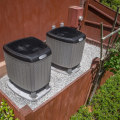
When it comes to maintaining a comfortable living environment, understanding HVAC systems is essential. HVAC stands for Heating, Ventilation, and Air Conditioning, and these systems play a crucial role in regulating indoor temperatures and air quality. Whether you are looking to heat your home during the chilly winter months or cool it down in the sweltering summer heat, a reliable HVAC system is key to achieving that comfort. However, not all HVAC systems are created equal, and knowing the different types available can help you make an informed decision when selecting the best brand for your needs.At its core, an HVAC system consists of several components that work together to provide heating and cooling.
These components typically include a furnace or heat pump for heating, an air conditioning unit for cooling, ductwork for air distribution, and a thermostat for temperature control. Each of these elements plays a vital role in ensuring that your home remains comfortable year-round. Understanding how these components interact can help you appreciate the importance of choosing a high-quality brand that offers reliable performance and durability.There are various types of HVAC systems available on the market today, each designed to meet specific needs and preferences. For instance, central air conditioning systems are popular for their ability to cool an entire home efficiently, while ductless mini-split systems offer flexibility for homes without existing ductwork.
Additionally, geothermal systems utilize the earth's natural temperature to provide heating and cooling, making them an eco-friendly option. By familiarizing yourself with these different types of HVAC systems, you can better assess which one aligns with your lifestyle and budget.In summary, understanding the fundamentals of HVAC systems is crucial when considering which brand to choose for your home. With various types available and numerous components working in harmony, having a solid grasp of how these systems function will empower you to make an informed decision that enhances your home's comfort and efficiency.
Key Factors to Consider When Choosing an HVAC Brand
When it comes to selecting the right HVAC brand for your home, several critical factors can significantly influence your decision. Understanding these elements will not only help you choose a brand that meets your needs but also ensure that you invest wisely in your home’s comfort and efficiency.- SEER Ratings: The Seasonal Energy Efficiency Ratio (SEER) is a crucial metric that measures the efficiency of air conditioning units.
A higher SEER rating indicates better energy efficiency, which can lead to lower utility bills. When comparing brands, look for units with SEER ratings of 16 or higher, as these are generally considered energy-efficient.
- Energy Efficiency: Beyond SEER ratings, consider the overall energy efficiency of the HVAC system. Look for models that are ENERGY STAR certified, as they meet strict energy efficiency guidelines set by the U. S.
Environmental Protection Agency. This certification can help you save on energy costs while reducing your carbon footprint.
- Sound Levels: Noise levels can significantly impact your comfort at home. Many homeowners prefer quieter systems, especially if the unit is installed near living spaces. Check the decibel (dB) ratings of different models; units operating below 70 dB are generally considered quiet and suitable for residential areas.
- Durability and Build Quality: The longevity of an HVAC system is often tied to its build quality.
Research the materials used in construction and read reviews about the brand's reliability. Brands with a reputation for durability often provide better long-term value, reducing the frequency of repairs and replacements.
- Warranty Options: A robust warranty can provide peace of mind when investing in an HVAC system. Look for brands that offer comprehensive warranties covering parts and labor for extended periods. This not only protects your investment but also reflects the manufacturer’s confidence in their product.
- Availability of Local Services: When searching for "HVAC near me," consider the availability of local service providers who are authorized to install and maintain the brand you choose.
Access to reliable service technicians can make a significant difference in your overall experience, ensuring timely repairs and maintenance.
Top HVAC Brands in the Market
When it comes to selecting an HVAC system for your home, understanding the top brands in the market is crucial. Each brand offers unique features, product lines, and reputations that can significantly impact your decision. Below, we delve into some of the leading HVAC manufacturers, highlighting their strengths and what sets them apart.Carrier
Carrier is often regarded as a pioneer in the HVAC industry, known for its innovative technology and high-quality products.With a wide range of air conditioning units, heat pumps, and furnaces, Carrier offers options that cater to various needs and budgets. Their systems are recognized for:
- Energy Efficiency: Many Carrier models boast high SEER ratings, which can lead to significant energy savings over time.
- Quiet Operation: Carrier units are designed to operate quietly, making them ideal for residential settings.
- Durability: Built with robust materials, Carrier products are known for their longevity and reliability.
Trane
Trane is synonymous with durability and performance. This brand has built a solid reputation over the years for producing reliable HVAC systems that withstand the test of time. Key features of Trane products include:- Exceptional Warranty: Trane offers one of the best warranties in the industry, providing peace of mind to homeowners.
- Advanced Technology: Their systems often incorporate smart technology for enhanced control and efficiency.
- Wide Range of Products: From air conditioners to geothermal systems, Trane has a comprehensive lineup to meet diverse needs.
American Standard
A subsidiary of Trane Technologies, American Standard is known for its commitment to quality and customer satisfaction.Their HVAC systems are designed with homeowners in mind, offering:
- High Performance: Many models feature high-efficiency ratings that help reduce energy costs.
- User-Friendly Features: American Standard units often come equipped with intuitive controls and smart home compatibility.
- Reputation for Reliability: This brand has consistently received positive reviews from consumers for its dependable performance.
Bryant
Bryant is another reputable name in the HVAC industry, known for its energy-efficient systems that provide comfort without breaking the bank. Notable aspects of Bryant products include:- Affordability: Bryant offers competitive pricing while maintaining quality standards.
- Diverse Product Range: From basic models to high-efficiency units, Bryant caters to various homeowner needs.
- Strong Warranty Options: Their warranty programs provide additional security for your investment.
Energy Efficiency and SEER Ratings Explained
When selecting an HVAC system for your home, understanding SEER ratings is crucial. SEER, or Seasonal Energy Efficiency Ratio, measures the cooling output of an air conditioning system divided by the energy it consumes during a typical cooling season.Essentially, a higher SEER rating indicates a more energy-efficient unit, which can lead to significant savings on your utility bills.For instance, an HVAC system with a SEER rating of 16 is more efficient than one rated at 13. This difference can translate into lower energy costs over time, making it a wise investment for homeowners looking to reduce their monthly expenses. Additionally, many utility companies offer rebates for installing high-SEER systems, further enhancing the financial benefits.Moreover, energy efficiency is not just about saving money; it also has environmental implications. By choosing a system with a higher SEER rating, you are reducing your carbon footprint. Energy-efficient systems consume less electricity, which means less demand on power plants and lower greenhouse gas emissions.
This is particularly important in today’s climate-conscious world.When evaluating HVAC options, consider the following:
- Long-Term Savings: While high-SEER units may have a higher upfront cost, the long-term savings on energy bills can offset this initial investment.
- Comfort Levels: More efficient systems often provide better temperature control and humidity management, enhancing overall comfort in your home.
- Resale Value: Homes equipped with energy-efficient HVAC systems can attract buyers and potentially sell for a higher price.
The Importance of Brand Reputation and Reviews
When it comes to selecting an HVAC system for your home, the reputation of the brand plays a crucial role in your decision-making process. A brand's reputation is often built on years of performance, customer satisfaction, and reliability.Therefore, understanding how to evaluate a brand's reputation can significantly impact your investment.One of the most effective ways to gauge a brand's reputation is through customer reviews. These reviews provide insights into real user experiences, highlighting both the strengths and weaknesses of various HVAC systems. Here are some steps to effectively research and evaluate HVAC brands based on customer feedback:
- Check Online Review Platforms: Websites like Angie's List, Yelp, and Google Reviews are excellent resources for finding customer feedback. Look for brands with a high number of positive reviews and take note of any recurring issues mentioned by customers.
- Visit Manufacturer Websites: Many reputable HVAC brands showcase customer testimonials on their official websites.
While these may be curated, they can still provide valuable insights into customer satisfaction.
- Engage in Community Forums: Online forums and social media groups dedicated to home improvement or HVAC discussions can be treasure troves of information. Homeowners often share their experiences and recommendations, which can help you identify trusted brands.
- Ask for Recommendations: Don’t hesitate to ask friends, family, or neighbors about their experiences with different HVAC brands. Personal recommendations can often lead you to reliable options.
Look for certifications such as NATE (North American Technician Excellence) or endorsements from energy efficiency programs, which can further validate a brand's credibility.Ultimately, choosing an HVAC brand with a solid reputation not only ensures that you are investing in quality but also provides peace of mind knowing that you are supported by a company that values its customers. By taking the time to research and evaluate brands based on real user experiences, you can make an informed decision that aligns with your needs and expectations.
Budgeting for Your HVAC System: What to Expect
When planning for a new HVAC system, understanding the financial implications is crucial. Budgeting for an HVAC system involves more than just the initial purchase price; it encompasses installation costs, ongoing maintenance, and potential repairs over the lifespan of the unit.Initial Costs
The first step in budgeting is to consider the initial costs associated with purchasing an HVAC system. Prices can vary significantly based on the brand, type of system (central air conditioning, heat pump, or furnace), and energy efficiency ratings.
On average, homeowners can expect to spend anywhere from $3,000 to $10,000 for a complete HVAC system, including both equipment and installation.For example:
- Central Air Conditioning Units: Typically range from $3,500 to $7,500.
- Heat Pumps: Generally cost between $4,000 and $8,000.
- Furnaces: Can vary from $2,500 to $6,000 depending on the model and efficiency.
Installation Fees
Installation fees can also add a significant amount to your budget. These costs depend on factors such as the complexity of the installation and local labor rates. On average, installation can account for 20% to 50% of the total cost of your HVAC system. It’s advisable to obtain multiple quotes from licensed contractors to ensure you’re getting a fair price.
Long-Term Maintenance Expenses
Once your HVAC system is installed, it’s essential to factor in long-term maintenance expenses.
Regular maintenance is vital for ensuring your system operates efficiently and lasts longer. Homeowners should budget approximately $150 to $500 annually for routine maintenance services, which typically include:
- Annual inspections
- Filter replacements
- Cleansing of coils and ducts
- Checking refrigerant levels
Potential Repairs
No matter how well you maintain your HVAC system, unexpected repairs can arise. Setting aside a contingency fund of about 10% of your initial investment can help cover these unforeseen expenses. This proactive approach ensures that you are prepared for any necessary repairs without straining your finances.
Affordable HVAC Options
If budget constraints are a concern, consider looking into affordable HVAC options.
Brands like Goodman and Rheem offer reliable systems at lower price points without sacrificing quality. Additionally, many local utility companies provide rebates or financing options that can help offset initial costs.In conclusion, budgeting for an HVAC system requires careful consideration of various factors beyond just the purchase price. By understanding initial costs, installation fees, long-term maintenance expenses, and potential repairs, you can make an informed decision that aligns with your financial situation while ensuring comfort in your home.
Finding Local HVAC Contractors: Tips and Resources
Finding reliable local HVAC contractors is crucial for ensuring that your heating and cooling systems are installed and maintained correctly. Here are some effective tips and resources to help you locate qualified professionals in your area.Utilize Online Directories
One of the best ways to find HVAC contractors near me is by using online directories.Websites like Angie's List, HomeAdvisor, and Yelp provide listings of local HVAC services along with customer reviews. These platforms allow you to filter results based on ratings, proximity, and specific services offered.
Check Manufacturer Websites
If you have a particular brand in mind, visit the manufacturer's website. Most reputable HVAC brands maintain a list of authorized dealers and contractors who are trained to install their systems. This ensures that you are hiring someone who understands the specific requirements of the brand you choose.Ask for Recommendations
Word-of-mouth referrals can be incredibly valuable.Ask friends, family, or neighbors if they have had positive experiences with local HVAC contractors. Personal recommendations often lead to trustworthy professionals who have proven their reliability and quality of work.
Verify Credentials
Before hiring any contractor, it’s essential to verify their credentials. Ensure that they are licensed and insured to operate in your state. You can typically check this information through your state’s licensing board or department of consumer affairs.Additionally, confirm that they have experience with the specific type of HVAC system you need.
Read Customer Reviews
Customer feedback is a powerful tool when evaluating potential contractors. Look for reviews on multiple platforms to get a well-rounded view of their service quality. Pay attention to comments about punctuality, professionalism, and the quality of work performed.Request Multiple Quotes
Once you have narrowed down your options, request quotes from at least three different contractors. This will give you a better understanding of the market rates and help you identify any discrepancies in pricing or services offered.Be wary of quotes that seem unusually low, as they may indicate subpar service or hidden costs.
Inquire About Warranties and Maintenance Plans
A reputable HVAC contractor should offer warranties on both their work and the equipment they install. Additionally, ask about maintenance plans that can help prolong the life of your system and ensure it operates efficiently over time.By following these tips and utilizing available resources, you can confidently find local HVAC services that meet your needs and ensure your home remains comfortable year-round.Maintenance and Support: Ensuring Longevity of Your System
Maintaining your HVAC system is crucial for ensuring its longevity and efficiency. Regular maintenance not only helps in identifying potential issues before they escalate but also enhances the overall performance of your heating and cooling systems. Here are some essential HVAC maintenance tips to keep your system running smoothly:- Schedule Regular Inspections: It is advisable to have your HVAC system inspected at least once a year by a qualified technician.
This allows for a thorough check-up of all components, ensuring everything is functioning correctly.
- Change Filters Regularly: Dirty filters can restrict airflow, making your system work harder and less efficiently. Check and replace filters every 1-3 months, depending on usage and the type of filter.
- Clean the Coils: Both the evaporator and condenser coils should be cleaned regularly to remove dirt and debris. This helps maintain optimal heat exchange and improves energy efficiency.
- Inspect Ductwork: Leaks in ductwork can lead to significant energy loss. Have your ducts inspected for leaks and ensure they are properly sealed to maximize efficiency.
- Check Thermostat Settings: Ensure that your thermostat is functioning correctly and set to the appropriate temperature.
Consider upgrading to a programmable thermostat for better control over your HVAC system.
- Extended Warranties: Look for brands that offer extended warranties on their products. This can provide peace of mind and financial protection against unexpected repairs.
- 24/7 Customer Support: Having access to round-the-clock customer support can be invaluable, especially during emergencies. Brands that offer this service ensure you can get help whenever you need it.
- Maintenance Plans: Some companies offer maintenance plans that include regular check-ups, priority service, and discounts on repairs.
These plans can save you money in the long run while keeping your system in top shape.
Common FAQs About Choosing an HVAC Brand
When it comes to selecting the right HVAC brand for your home, many homeowners have questions that can significantly impact their decision-making process. Below are some of the most common FAQs regarding HVAC brands and systems.What should I consider when choosing an HVAC brand?
When selecting an HVAC brand, consider the following factors:- Energy Efficiency: Look for units with high SEER (Seasonal Energy Efficiency Ratio) ratings, as they indicate better energy performance.
- Durability: Research the longevity of the brand’s products. Brands with a reputation for durability often save you money in the long run.
- Warranty: A solid warranty can provide peace of mind.
Check what is covered and for how long.
- Service Availability: Ensure that there are qualified technicians in your area who can service the brand you choose.
- Reputation: Read reviews and ask for recommendations to gauge customer satisfaction with different brands.
How do I know if an HVAC system is right for my home?
The right HVAC system for your home depends on several factors:- Home Size: Larger homes may require more powerful systems or multiple units to maintain comfort.
- Climate: Consider your local climate. Some systems perform better in specific weather conditions.
- Budget: Determine your budget not just for purchase but also for installation and ongoing maintenance costs.
Are more expensive HVAC brands worth the investment?
While higher-priced brands may seem daunting, they often come with enhanced features, better energy efficiency, and longer lifespans. Investing in a reputable brand can lead to lower energy bills and fewer repairs over time, making it a wise choice in the long run.What are some red flags when choosing an HVAC brand?
Be cautious of brands that exhibit the following red flags:- Poor Reviews: Consistently negative feedback from customers can indicate reliability issues.
- Lack of Warranty: Brands that do not offer a comprehensive warranty may not stand behind their products.
- No Local Support: If there are no certified technicians available in your area, servicing your unit could become problematic.
Conclusion: Making an Informed Decision for Your Home's Comfort
In conclusion, selecting the right HVAC brand for your home is a critical decision that can significantly impact your comfort, energy efficiency, and overall satisfaction. Throughout this article, we have explored various factors that should guide your choice, including SEER ratings , sound levels, durability, and the reputation of different brands.One of the most important takeaways is the necessity of conducting thorough research.Each household has unique needs based on factors such as size, climate, and personal preferences. Therefore, it is essential to assess your specific requirements before making a purchase. For instance, if you live in an area with extreme temperatures, investing in a high-efficiency unit from a reputable brand may be more beneficial in the long run.Additionally, consider the availability of services in your area. Brands like Carrier and Trane have established networks of authorized dealers and technicians who can provide reliable installation and maintenance services.
This accessibility ensures that you can receive prompt assistance when needed, which is crucial for maintaining your system's performance.Moreover, while affordability is a significant factor for many homeowners, it should not be the sole consideration. Opting for a cheaper unit may lead to higher long-term costs due to increased energy consumption and potential repair needs. Instead, focus on finding a balance between quality and price. Brands like Goodman offer affordable options without sacrificing reliability.Finally, remember that regular maintenance is key to prolonging the lifespan of your HVAC system.
Many top brands provide maintenance services that can help you avoid costly repairs down the line. By investing in routine check-ups and servicing, you can ensure that your system operates efficiently and effectively.In summary, making an informed decision about your HVAC brand involves careful consideration of various factors tailored to your individual needs. By prioritizing quality, researching options thoroughly, and planning for future maintenance, you can enhance your home's comfort while ensuring energy efficiency and reliability.