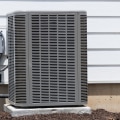
In today's world, the comfort of our homes is paramount, and one of the key players in achieving that comfort is an HVAC system. HVAC stands for Heating, Ventilation, and Air Conditioning, and it encompasses a range of technologies designed to regulate indoor climate. These systems not only provide warmth during the chilly winter months but also ensure a cool and refreshing atmosphere when summer heat peaks. Understanding the significance of HVAC systems is essential for homeowners who wish to maintain a comfortable living environment while also being mindful of energy consumption.The importance of an efficient HVAC system extends beyond mere comfort.
A well-functioning HVAC unit can significantly enhance energy efficiency, leading to lower utility bills and a reduced carbon footprint. Modern systems are designed with advanced technology that optimizes energy use, ensuring that your home remains comfortable without excessive energy waste. This efficiency is particularly crucial as energy costs continue to rise, making it imperative for homeowners to invest in systems that not only meet their comfort needs but also align with their financial goals.Moreover, the benefits of having a reliable HVAC system go beyond just temperature control. Proper ventilation is vital for maintaining indoor air quality, which can have a profound impact on health and well-being.
A good HVAC system helps filter out pollutants, allergens, and other harmful particles from the air, creating a healthier living space for you and your family. As we delve deeper into the topic of purchasing an HVAC system, it becomes clear that timing your investment is just as important as understanding its functionality. Making informed decisions about when to buy can lead to significant savings and ensure that you select the best system for your home.
When is the Best Time to Buy an HVAC System?
Determining the best time to buy an HVAC system involves understanding seasonal trends and market dynamics that can significantly impact pricing and availability. While many homeowners may instinctively think of winter as the ideal time to purchase a new heating or cooling system, the reality is more nuanced.One of the most advantageous times to invest in an HVAC system is during the spring months, particularly in April and May.During this period, HVAC companies are gearing up for the summer rush, but they are still relatively less busy compared to peak summer months. This means that you can often find better deals on both units and installation services. Additionally, many manufacturers release their new models in the spring, leading to discounts on last year’s inventory.Conversely, purchasing an HVAC system in the fall can also be beneficial. As temperatures drop, demand for heating systems increases, but many homeowners are still focused on cooling solutions.
This transitional period can lead to competitive pricing as companies look to clear out their inventory before winter sets in.However, if you find yourself needing an HVAC system during the off-season—such as winter—there are still opportunities for savings. February and March are particularly good months for purchasing air conditioning units as retailers often discount older models to make way for new stock. This strategy allows you to take advantage of lower prices while still ensuring that your home is prepared for warmer weather.When considering seasonal buying tips, it’s essential to keep in mind that installation costs can vary significantly based on demand. During peak seasons, such as summer and winter, HVAC professionals are often inundated with service calls, which can lead to higher installation fees and longer wait times.
By planning your purchase during off-peak months, you not only save on the unit itself but also on installation costs.Moreover, timing your purchase strategically allows for a more thorough evaluation of your home’s HVAC needs. When contractors are less busy, they can dedicate more time to assessing your home’s insulation and airflow issues, ensuring that you select a system that is appropriately sized and efficient for your space.In summary, while there is no one-size-fits-all answer to when is the best time to buy an HVAC system, understanding seasonal trends and market dynamics can help you make a more informed decision. Whether you choose to buy in spring or fall, being aware of these factors will enable you to maximize your investment and ensure comfort in your home year-round.
The Benefits of Buying Before Summer
Purchasing an HVAC system just before summer offers numerous advantages that can significantly enhance your overall experience and savings. As the temperatures rise, the demand for air conditioning systems surges, leading to higher prices and longer wait times for installation.By making your purchase in the spring, you can avoid these pitfalls and enjoy a smoother transition into the warmer months.
Lower Installation Costs
One of the most compelling reasons to buy an HVAC system before summer is the potential for lower installation costs. During peak season, HVAC professionals are inundated with service calls and installations, which can drive up labor costs. In contrast, spring is typically a quieter time for these technicians, allowing them to offer more competitive rates. This means you can save money not only on the unit itself but also on the installation fees.
Better Availability of Professionals
When you choose to buy your HVAC system before summer, you also benefit from better availability of skilled professionals.
During the summer months, HVAC companies often face overwhelming demand, which can lead to delays in scheduling installations or repairs. By purchasing in advance, you can secure a convenient installation date that fits your schedule without the stress of waiting weeks for service.
Time for Proper Assessment
Buying an HVAC system in the spring allows for a thorough assessment of your home’s heating and cooling needs. With fewer clients to attend to, HVAC technicians can dedicate more time to evaluating your home’s insulation, ductwork, and overall energy efficiency. This comprehensive evaluation ensures that you select a system that is appropriately sized and suited for your specific requirements, ultimately leading to better performance and lower energy bills.
Access to Promotions and Discounts
Many HVAC manufacturers and retailers offer promotions and discounts during the spring months as they prepare for the busy summer season.
By purchasing your system early, you may be able to take advantage of these deals, further reducing your overall costs. Additionally, inquire about any available rebates or incentives for energy-efficient models that can provide long-term savings on utility bills.In summary, buying an HVAC system just before summer not only helps you save money on installation costs but also ensures better availability of professionals and allows for a thorough assessment of your home’s needs. With potential promotions and discounts available during this time, it’s a strategic move that can lead to significant benefits in both comfort and cost-effectiveness.
Off-Season Buying: A Hidden Opportunity
When considering the purchase of a new HVAC system, many homeowners overlook the potential advantages of buying during the off-peak seasons, particularly in winter or early spring. While it may seem counterintuitive to invest in an air conditioning unit when temperatures are low, this period can actually present unique opportunities for savvy buyers.One of the primary benefits of purchasing an HVAC system during the winter months is the availability of discounts on older models.Retailers often seek to clear out inventory to make way for newer models that will be released in the spring and summer. This means that you can find significant savings on last year’s units, which can still offer excellent performance and efficiency.Additionally, February and March are particularly advantageous months for HVAC shopping. During this time, many retailers are eager to sell off their remaining stock before the peak buying season begins. As a result, you may encounter promotions or special offers that can further reduce your overall costs.
It’s not uncommon to find HVAC near me listings featuring attractive deals that are not available during busier months.Moreover, buying an HVAC system in the off-season allows you to avoid the rush that typically occurs as summer approaches. HVAC professionals are often inundated with service calls and installations during peak season, which can lead to longer wait times and higher installation fees. By purchasing your system in winter or early spring, you can benefit from more flexible scheduling options and potentially lower labor costs.Another critical aspect to consider is the opportunity for thorough evaluations of your home’s heating and cooling needs. During the off-peak season, HVAC technicians have more time to conduct comprehensive assessments.
This includes checking for issues such as insulation problems or air leaks that could affect your system's efficiency. Addressing these concerns early on can lead to better performance and lower energy bills in the long run.In conclusion, while many homeowners may instinctively wait until summer to purchase an HVAC system, exploring options during the off-season can yield significant benefits. From discounts on older models to better installation rates and thorough evaluations, winter and early spring present a hidden opportunity for those looking to invest wisely in their home comfort systems.
Types of HVAC Systems and Their Price Ranges
When considering a new HVAC system, it's essential to understand the various types available and their corresponding price ranges. Each type of system has unique features, benefits, and costs associated with it, which can significantly impact your decision-making process.1.Central Air Conditioning Systems
Central air conditioning systems are among the most popular choices for homeowners.They work by cooling air in a central location and distributing it throughout the home via ductwork. The price range for central air conditioning systems typically falls between $3,000 and $7,000, depending on the size of your home and the efficiency rating of the unit.
2.Ductless Mini-Split Systems
Ductless mini-split systems are an excellent option for homes without existing ductwork. These systems consist of an outdoor compressor and one or more indoor air-handling units. They offer flexibility in installation and zoning capabilities, allowing you to control temperatures in individual rooms.Prices for ductless mini-split systems generally range from $2,000 to $5,000.
3.Window Air Conditioners
Window air conditioners are a cost-effective solution for cooling single rooms or small spaces. They are easy to install and can be removed during the off-season. The price for window units typically ranges from $150 to $800, making them an accessible option for many homeowners.4.Geothermal Heat Pumps
Geothermal heat pumps utilize the earth's stable underground temperature to heat and cool your home efficiently. While they have a higher upfront cost, usually between $10,000 and $30,000, they can lead to significant savings on energy bills over time due to their high efficiency.5.Hybrid Systems
Hybrid HVAC systems combine traditional heating methods with electric heat pumps to optimize energy efficiency.These systems automatically switch between energy sources based on outdoor temperatures, providing comfort year-round. The cost for hybrid systems typically ranges from $5,000 to $12,000.When choosing an HVAC system, consider factors such as your home's size, insulation quality, local climate, and budget. Additionally, consulting with a professional HVAC contractor can provide valuable insights tailored to your specific needs.
Understanding Installation Costs and Factors Affecting Them
When considering the purchase of a new HVAC system, understanding the installation costs is crucial. These costs can vary significantly based on several factors, and being informed can help you make a more economical decision.Factors Influencing Installation Costs
- Type of System: The kind of HVAC system you choose plays a major role in installation costs.
Central air conditioning systems typically require more extensive installation work compared to window units or portable air conditioners. Geothermal systems, while energy-efficient, can also be more expensive to install due to the complexity of the setup.
- Size of the Unit: The size of the HVAC unit needed for your home is another critical factor. A larger unit may cost more to install, but it’s essential to ensure that it is appropriately sized for your space to avoid inefficiencies and increased energy bills.
- Existing Infrastructure: If your home already has ductwork in place, installation costs may be lower. However, if you need new ductwork or modifications to existing systems, this can add significantly to your overall expenses.
- Location: The geographical location of your home can also affect installation prices.
Areas with a higher cost of living may see increased labor rates, while local demand for HVAC services can influence pricing as well.
- Seasonal Demand: As mentioned earlier, HVAC professionals are often busier during peak seasons. If you choose to install your system during the off-peak months, you may benefit from lower labor costs and more flexible scheduling.
Choosing the Right HVAC Professional
Selecting a qualified HVAC professional is just as important as understanding installation costs. Here are some tips to help you find the right expert:- Check Credentials: Ensure that the technician is licensed and insured. This protects you from liability in case of accidents during installation.
- Read Reviews: Look for customer reviews and testimonials online.
Websites like Yelp or Angie's List can provide insights into the experiences of previous clients.
- Get Multiple Quotes: Don’t settle for the first estimate you receive. Obtain quotes from several contractors to compare prices and services offered.
- Ask About Warranties: Inquire about warranties on both the equipment and the installation work. A reputable contractor should stand behind their work.
Energy Efficiency: Long-Term Savings Considerations
When considering the purchase of a new HVAC system, one of the most critical factors to evaluate is energy efficiency. Investing in a high-efficiency model can lead to substantial long-term savings on your energy bills, making it a financially sound decision for homeowners.Energy efficiency in HVAC systems is typically measured by the Seasonal Energy Efficiency Ratio (SEER) for cooling and the Annual Fuel Utilization Efficiency (AFUE) for heating.The higher these ratings, the more efficient the system is at converting energy into heating or cooling. For instance, a system with a SEER rating of 16 or higher is considered highly efficient, while older models may only achieve ratings of 10 or lower.Choosing a high-efficiency HVAC system not only reduces your monthly utility costs but also contributes to a smaller carbon footprint. As energy prices continue to rise, the savings from an efficient system can add up significantly over time. Here are some key considerations:
- Initial Investment vs.
Long-Term Savings:
While high-efficiency models may come with a higher upfront cost, they often pay for themselves through lower energy bills. Homeowners should calculate the return on investment (ROI) by comparing the initial cost with projected savings over several years. - Incentives and Rebates: Many utility companies and government programs offer incentives for purchasing energy-efficient HVAC systems. These rebates can help offset the initial costs, making it more affordable to invest in a high-efficiency model.
- Improved Comfort: High-efficiency systems often come equipped with advanced technology that enhances comfort levels in your home. Features such as variable-speed motors and smart thermostats allow for better temperature control and humidity management.
- Longevity: Energy-efficient systems are generally built with better components and technology, which can lead to a longer lifespan compared to standard models.
This means fewer replacements and repairs over time.
Common Mistakes to Avoid When Buying an HVAC System
Purchasing a new HVAC system is a significant investment, and many homeowners make mistakes that can lead to dissatisfaction or unnecessary expenses. Here are some common pitfalls to avoid when buying an HVAC system:- Not Conducting Proper Research: One of the biggest mistakes is failing to research different types of HVAC systems.
Homeowners often settle for the first option they find without comparing efficiency ratings, features, and costs. Take the time to explore various models and brands to find the best fit for your home.
- Ignoring Energy Efficiency: Many buyers focus solely on the initial purchase price rather than considering long-term energy costs. Investing in a high-efficiency system may cost more upfront but can lead to significant savings on utility bills over time. Look for units with a high SEER (Seasonal Energy Efficiency Ratio) rating.
- Overlooking Installation Costs: The price of the unit is just one part of the equation.
Installation costs can vary widely based on the complexity of the job and the contractor's rates. Always request detailed quotes that include both equipment and installation to avoid surprises.
- Choosing the Wrong Size: An improperly sized HVAC system can lead to inefficiency and discomfort. A unit that is too small will struggle to cool or heat your home, while one that is too large will cycle on and off frequently, wasting energy. Have a professional perform a load calculation to determine the right size for your space.
- Neglecting Maintenance Considerations: Some homeowners forget to factor in ongoing maintenance when purchasing an HVAC system.
Regular maintenance is essential for optimal performance and longevity. Be sure to ask about maintenance plans or warranties that cover routine service.
- Not Considering Future Needs: Your HVAC needs may change over time due to factors like home renovations or family size. When selecting a system, think about your long-term plans and whether the unit will still meet your needs in the future.
Frequently Asked Questions About Buying an HVAC System
When considering the purchase of an HVAC system, many homeowners have questions that can significantly impact their decision-making process.Here are some of the most frequently asked questions regarding HVAC systems:
- What size HVAC system do I need?
The size of your HVAC system is crucial for efficiency and comfort. An undersized unit will struggle to cool or heat your home, while an oversized unit can lead to increased energy costs and humidity issues. To determine the right size, a professional should conduct a load calculation based on your home’s square footage, insulation quality, and local climate. - How often should I replace my HVAC system?
Generally, an HVAC system has a lifespan of 15 to 25 years. However, if you notice frequent repairs, rising energy bills, or inconsistent temperatures, it may be time to consider a replacement.Regular maintenance can extend the life of your system, so ensure you schedule annual check-ups.
- What are the benefits of high-efficiency HVAC systems?
High-efficiency systems often come with higher upfront costs but can save you money in the long run through reduced energy bills. They typically have a higher SEER (Seasonal Energy Efficiency Ratio) rating, which means they use less energy to provide the same cooling or heating output as standard systems. - Are there any tax credits or rebates available for new HVAC systems?
Yes, many states and local governments offer incentives for purchasing energy-efficient HVAC systems. Check with your local utility company or government website for available programs that can help offset the cost of your new system. - How can I find reliable HVAC contractors near me?
Start by asking friends and family for recommendations. Online reviews and ratings on platforms like Yelp or Google can also provide insights into local contractors’ reputations.Always verify licenses and insurance before hiring a contractor.
Conclusion: Making an Informed Decision for Your Home Comfort
In conclusion, purchasing a new HVAC system is a significant investment that requires careful consideration and planning. As we have discussed, the timing of your purchase can greatly influence both the initial cost and the long-term efficiency of your system. Understanding the nuances of seasonal pricing and installation availability is crucial for making an informed decision.To recap, the best time to buy an HVAC system is typically just before the summer months.This period allows homeowners to take advantage of lower installation costs and better availability from HVAC professionals. Conversely, buying during winter may seem appealing due to discounts on air conditioning units, but it often leads to higher installation fees and longer wait times due to increased demand for heating services.Moreover, if you find yourself needing an air conditioning unit during off-peak seasons, consider shopping in February or March. Retailers are eager to clear out older models to make way for new inventory, providing an excellent opportunity for savings.When selecting an HVAC system, it’s essential to evaluate not only the upfront costs but also the long-term energy efficiency. Investing in a high-efficiency model may require a larger initial outlay but can lead to significant savings on utility bills over time.
Additionally, inquire about available discounts or tax incentives for energy-efficient systems, as these can further offset your costs.Lastly, don’t underestimate the importance of thorough research and professional consultation. Engaging with local HVAC experts can provide insights tailored to your specific home needs, ensuring that you choose a system that fits both your budget and comfort requirements. By taking these steps, you can ensure that your investment in an HVAC system will enhance your home’s comfort for years to come.