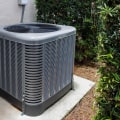
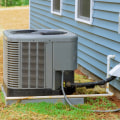
When it comes to upgrading your air conditioning unit, understanding the importance of timing can significantly impact both your comfort and your wallet. Many homeowners often overlook this critical aspect, assuming that any time is a good time to replace their AC. However, the reality is that the timing of your upgrade can lead to substantial savings and improved efficiency. By strategically planning your replacement, you can take advantage of seasonal trends, promotional offers, and contractor availability.The best time to replace your AC unit typically falls during the off-peak seasons, which are late September to mid-November and early March to mid-May.
During these months, demand for HVAC services is lower, allowing contractors to offer more competitive pricing and special deals. This not only benefits you as a consumer but also ensures that you receive personalized attention from professionals who are less rushed and more willing to negotiate on price.Moreover, upgrading your AC unit at the right time can enhance its performance and longevity. An outdated system may struggle to keep up with rising temperatures, leading to increased energy bills and frequent repairs. By replacing your unit before it reaches its breaking point, you can enjoy a more reliable cooling experience while also benefiting from the latest energy-efficient technologies.
This proactive approach not only improves your home’s comfort but also contributes to long-term savings.As you consider the timing for your AC upgrade, remember that local HVAC professionals can provide valuable insights tailored to your specific needs. Searching for HVAC near me can connect you with experts who understand the seasonal patterns in your area and can guide you in making an informed decision about when to replace your air conditioning unit.
The Seasonal Nature of HVAC Services
The demand for HVAC services is significantly influenced by seasonal changes, creating distinct patterns that homeowners should be aware of when considering an AC unit replacement. Understanding these seasonal trends can help you make informed decisions about when to upgrade your system, ensuring you get the best value and efficiency.During the summer months, particularly in regions with extreme heat, the demand for air conditioning services peaks. Homeowners often find themselves in urgent need of repairs or replacements as their existing units struggle to keep up with the rising temperatures.This surge in demand can lead to longer wait times for service and higher prices due to increased competition among consumers seeking immediate relief from the heat.Conversely, the fall and spring months represent the off-peak seasons for HVAC services. From late September to mid-November and early March to mid-May, HVAC contractors experience a lull in business. This period is ideal for homeowners looking to replace their AC units, as contractors are more likely to offer competitive pricing and special promotions to attract customers during these slower months.Additionally, manufacturers often provide discounts and incentives during the off-peak season to stimulate sales. This means that not only can you save on installation costs, but you may also benefit from lower prices on new units.
By planning your AC replacement during these times, you can take advantage of these savings while ensuring that your new system is installed before the peak summer heat arrives.Another factor influencing seasonal HVAC demand is the age of existing systems. Many homeowners are unaware that their AC units have a limited lifespan, typically around 10 to 15 years. As units age, they become less efficient and more prone to breakdowns, leading to increased energy bills and repair costs. By replacing your unit before it reaches its end of life—ideally during the off-peak season—you can avoid the stress of a sudden breakdown when you need cooling the most.In summary, understanding the seasonal nature of HVAC services is crucial for homeowners considering an AC replacement.
By recognizing peak and off-peak times for demand, you can strategically plan your upgrade to maximize savings and ensure a reliable cooling system when temperatures rise.
Identifying the Right Time to Replace Your AC Unit
Determining the right time to replace your air conditioning (AC) unit is crucial for maintaining a comfortable indoor environment and ensuring energy efficiency. Several key indicators can help you identify whether it’s time to invest in a new system.Age of the Unit
One of the most significant factors to consider is the age of your AC unit. Most air conditioning systems have a lifespan of about 10 to 15 years. If your unit is approaching or has surpassed this age, it may be time to start thinking about a replacement.
Older units tend to lose efficiency, leading to higher energy bills and more frequent repairs.
Signs of AC Failure
- Inconsistent Temperatures: If you notice that some rooms are warmer or cooler than others, it could indicate that your AC unit is struggling to maintain a consistent temperature.
- Frequent Repairs: If you find yourself calling for repairs multiple times each season, it may be more cost-effective to replace the unit rather than continue investing in repairs.
- Unusual Noises: Sounds such as grinding, squealing, or rattling can signal mechanical issues within the unit that may warrant replacement.
- Increased Energy Bills: A sudden spike in your energy costs can indicate that your AC unit is working harder than it should be, often due to inefficiency or age.
- Foul Odors: Unpleasant smells coming from your AC can suggest mold growth or electrical issues, both of which may necessitate a replacement.
Efficiency Issues
If your AC unit is no longer cooling effectively or takes longer to reach the desired temperature, it may be time for an upgrade. Newer models are designed with advanced technology that enhances energy efficiency and performance. Investing in a modern system can lead to significant savings on your utility bills over time.
Lifespan Considerations
As mentioned earlier, the average lifespan of an AC unit is around 10 to 15 years. However, factors such as maintenance history, usage patterns, and local climate can influence this lifespan.
Regular maintenance can extend the life of your system, but if you find that your unit is consistently underperforming despite proper care, it might be time to consider a replacement.In summary, keeping an eye on the age of your AC unit, recognizing signs of failure, and understanding efficiency issues are essential steps in determining when to replace your air conditioning system. By being proactive and addressing these indicators early on, you can ensure a comfortable living environment while avoiding unexpected breakdowns during peak seasons.
The Benefits of Off-Season Replacements
Replacing your air conditioning unit during the off-season offers numerous advantages that can significantly enhance your overall experience and savings. Understanding these benefits can help you make an informed decision when considering an upgrade.Cost Savings
One of the most compelling reasons to schedule your AC replacement during the off-peak months is the potential for substantial cost savings. HVAC companies often experience a lull in business during these times, leading them to offer promotions and discounts to attract customers.
This can translate into lower installation costs and better financing options. Additionally, manufacturers frequently provide incentives, such as rebates or special pricing, which can further reduce your overall expenditure.
Improved Availability
During peak seasons, HVAC contractors are inundated with service calls and installations, which can lead to longer wait times for appointments. By opting for an off-season replacement, you will likely find that contractors have more availability, allowing you to schedule your installation at a time that is convenient for you. This not only minimizes disruption to your daily routine but also ensures that you receive the attention and service quality you deserve.
Enhanced Service Quality
With fewer jobs on their plate, HVAC technicians can dedicate more time and focus to each installation during the off-season.
This means that they can pay closer attention to detail, ensuring that your new AC unit is installed correctly and operates efficiently from day one. A well-executed installation is crucial for maximizing the lifespan and performance of your new system.
Access to Latest Technology
The off-season is also an excellent time to explore the latest advancements in HVAC technology. Manufacturers often release new models in anticipation of the upcoming cooling season, and during slower months, contractors may be more willing to discuss these innovations with you. Upgrading during this time allows you to take advantage of improved energy efficiency ratings and features that can enhance your comfort.
Planning Ahead
Finally, replacing your AC unit in the off-season allows you to plan ahead rather than waiting until a breakdown occurs.
This proactive approach not only helps you avoid the stress of an emergency replacement but also gives you ample time to research different models and consult with professionals about what best suits your needs.In summary, scheduling your AC replacement during the off-season can lead to significant cost savings, improved service availability, enhanced installation quality, access to cutting-edge technology, and a more strategic approach to home comfort management. By taking advantage of these benefits, homeowners can ensure they make a wise investment in their HVAC system.
Best Months for AC Replacement: A Detailed Breakdown
When considering the best months to replace your AC unit, it’s essential to look at seasonal trends and promotional opportunities that can significantly impact both pricing and availability. The ideal times for an HVAC upgrade typically fall in the spring and early fall, when demand is lower, and manufacturers often provide enticing promotions.Spring: A Fresh Start
As winter fades and temperatures begin to rise, spring emerges as a prime time for AC replacement. Here’s why:- Lower Demand: Many homeowners are still focused on heating their homes during the early spring months, leading to a decrease in demand for air conditioning services.
This lull allows HVAC contractors to offer more competitive pricing.
- Promotions and Discounts: Manufacturers frequently roll out special promotions in March and April to encourage early purchases. These deals can include rebates, financing options, or discounts on installation services.
- Time for Maintenance: Replacing your AC unit in spring gives you ample time to ensure it’s properly installed and maintained before the peak summer heat arrives.
Fall: Preparing for Winter
As summer winds down and temperatures begin to cool, early fall presents another excellent opportunity for AC replacement:- Seasonal Slowdown: Similar to spring, the demand for air conditioning services drops significantly in September and October. This means HVAC companies are more likely to negotiate prices and offer better deals.
- End-of-Season Sales: Many manufacturers aim to clear out inventory before winter, leading to significant discounts on last year’s models. Homeowners can take advantage of these sales to secure a high-quality unit at a reduced price.
- Preparation for Next Summer: By replacing your AC unit in the fall, you ensure that your system is ready to go when the next hot season arrives, avoiding any last-minute rush or potential breakdowns.
By planning your upgrade during these months, you can benefit from lower prices, promotional offers, and a more relaxed installation process. This strategic timing not only enhances your comfort but also ensures that you make a wise investment in your home’s HVAC system.
How to Choose the Right HVAC Contractor
Choosing the right HVAC contractor is crucial for ensuring that your new air conditioning unit is installed correctly and operates efficiently. With so many options available, especially when searching for HVAC near me, it can be overwhelming to make a decision. Here are some essential tips to help you find a reliable HVAC professional.- Research Local Contractors: Start by compiling a list of local HVAC contractors.
Use online search engines and directories to find professionals in your area. Look for companies with good reviews and ratings, as these can provide insight into their reliability and quality of service.
- Check Credentials: Ensure that the contractors you consider are licensed and insured. A valid license indicates that they have met the necessary training and regulatory requirements. Insurance protects you from liability in case of accidents during installation or repairs.
- Ask for Recommendations: Reach out to friends, family, or neighbors who have recently replaced their AC units.
Personal recommendations can lead you to trustworthy contractors who have proven their skills and customer service.
- Get Multiple Quotes: Don’t settle for the first estimate you receive. Contact several contractors to get quotes for your AC replacement. This will give you a better understanding of the market rates and help you identify any unusually high or low bids.
- Inquire About Experience: Ask potential contractors about their experience with the specific type of AC unit you wish to install. A contractor with extensive experience in your preferred brand or model will likely provide better service and installation quality.
- Evaluate Customer Service: Pay attention to how contractors communicate with you during the initial consultation.
A professional contractor should be responsive, willing to answer your questions, and provide clear explanations about the installation process.
- Look for Energy Efficiency Expertise: Since replacing your AC unit is an investment in energy efficiency, choose a contractor who understands the latest technologies and energy-saving options available. They should be able to guide you on selecting a unit that meets your cooling needs while minimizing energy consumption.
Understanding Energy Efficiency Ratings and Technology Advances
When considering an upgrade to your air conditioning unit, understanding energy efficiency ratings is crucial. These ratings not only reflect the performance of your HVAC system but also have a significant impact on your energy bills and environmental footprint.One of the most important metrics to look for is the Seasonal Energy Efficiency Ratio (SEER).This rating measures the cooling output of an air conditioner over a typical cooling season divided by the total electric energy input during the same period. In simpler terms, a higher SEER rating indicates a more efficient unit. For instance, while older models may have SEER ratings as low as 10, modern units can achieve ratings of 16 or higher. This improvement can lead to substantial savings on your energy bills.In addition to SEER ratings, it’s essential to consider other efficiency metrics such as Energy Efficiency Ratio (EER) and Coefficient of Performance (COP).
The EER measures efficiency at peak cooling conditions, while COP is used for heating efficiency. Understanding these ratings can help you make a more informed decision when searching for HVAC near me.Recent advancements in HVAC technology have also contributed to improved energy efficiency. For example, variable-speed compressors allow units to adjust their cooling output based on the current demand, leading to less energy consumption and more consistent indoor temperatures. Additionally, smart thermostats can optimize your system's performance by learning your schedule and preferences, further enhancing energy savings.Another noteworthy innovation is the use of inverter technology.
Unlike traditional systems that turn on and off at full capacity, inverter systems can modulate their speed to maintain desired temperatures with minimal energy use. This not only improves comfort but also extends the lifespan of your AC unit.As you evaluate your options for upgrading your AC unit, keep in mind that investing in a model with higher energy efficiency ratings and the latest technology can lead to long-term savings and a more comfortable living environment. By prioritizing these factors, you can ensure that your new HVAC system meets both your cooling needs and budgetary constraints.
Financing Options for Your New AC Unit
Upgrading your air conditioning unit can be a significant investment, but there are various financing options available to help homeowners manage the costs effectively. Understanding these options can make the transition to a more efficient HVAC system much smoother.1.Manufacturer Financing Programs
Many HVAC manufacturers offer financing programs that allow you to purchase a new AC unit with manageable monthly payments.
These programs often come with promotional interest rates or deferred payment options, making it easier for homeowners to afford high-quality systems without breaking the bank. Be sure to check with your local dealer about any current promotions.
2.Home Improvement Loans
Home improvement loans are another viable option for financing your new AC unit. These loans can cover the entire cost of the installation and may offer lower interest rates compared to credit cards. Options include:
- Personal Loans: Unsecured loans that can be used for any purpose, including HVAC upgrades.
- Home Equity Loans: Loans that allow you to borrow against the equity in your home, often at lower interest rates.
- FHA Title I Loans: Government-backed loans specifically designed for home improvements.
3.Payment Plans from HVAC Contractors
Many HVAC contractors provide flexible payment plans tailored to fit your budget.
These plans can range from zero-interest financing for a set period to extended payment terms that allow you to spread out the cost over several months or even years. Always inquire about available options when consulting with your contractor.
4.Energy Efficiency Rebates and Incentives
In addition to financing, many utility companies and government programs offer rebates and incentives for upgrading to energy-efficient HVAC systems. These rebates can significantly reduce the overall cost of your new AC unit, making it more affordable in the long run. Check with your local utility provider or visit government websites for information on available programs.
5.Budget-Friendly Solutions
If financing options seem overwhelming, consider budget-friendly solutions such as:
- Choosing a Mid-Range Unit: Opting for a reliable mid-range model instead of high-end units can save you money while still providing adequate cooling.
- Regular Maintenance: Keeping your existing unit well-maintained can extend its lifespan and delay the need for an upgrade.
- Seasonal Promotions: Take advantage of seasonal sales and promotions offered by HVAC companies during off-peak times.
Whether through manufacturer programs, home improvement loans, or flexible payment plans, there are numerous ways to ensure that your home remains comfortable year-round.
Frequently Asked Questions About AC Replacement Timing
When considering the timing for replacing your air conditioning unit, many homeowners have questions that can help clarify their decision-making process. Here are some of the most frequently asked questions regarding AC replacement timing:1.What are the signs that indicate it’s time to replace my AC unit?
Several indicators can suggest that your AC unit is nearing the end of its lifespan:- Age: If your unit is over 10-15 years old, it may be time to consider a replacement.
- Frequent Repairs: If you find yourself calling for repairs multiple times a year, it may be more cost-effective to invest in a new system.
- Increased Energy Bills: A noticeable spike in your energy bills can indicate that your unit is working harder than it should be, often due to inefficiency.
- Inconsistent Temperatures: If some rooms are cooler than others or if your unit struggles to maintain a consistent temperature, it may be time for an upgrade.
2.Is there a specific season that is best for replacing my AC?
The ideal time to replace your AC unit is during the off-peak seasons, typically in late fall or early spring. During these times, HVAC contractors are less busy, which often leads to better pricing and availability. Additionally, manufacturers frequently offer promotions during these months, making it an excellent opportunity for homeowners looking to save money.3.How long does the installation process take?
The installation of a new AC unit generally takes between 4 to 8 hours, depending on the complexity of the installation and whether any additional ductwork or modifications are needed.Scheduling your installation during off-peak times can also ensure that you receive prompt service.
4.Can I replace my AC unit myself?
While some homeowners may feel confident in their DIY skills, replacing an AC unit is a complex task that requires specialized knowledge and tools. It’s highly recommended to hire a licensed HVAC professional to ensure proper installation and compliance with local codes.5.What should I consider when choosing a new AC unit?
When selecting a new air conditioning system, consider the following factors:- Energy Efficiency: Look for units with high SEER ratings to ensure lower energy costs.
- Size: An appropriately sized unit will operate more efficiently and effectively cool your home.
- Brand Reputation: Research brands and read reviews to find reliable options.
- Warranty: Ensure that the unit comes with a solid warranty for peace of mind.
Conclusion: Making an Informed Decision on Your AC Upgrade
In summary, upgrading your air conditioning unit is a significant decision that requires careful consideration of various factors. Throughout this article, we have explored the optimal timing for replacing your AC unit, emphasizing the advantages of making this investment during the off-season. By planning your upgrade strategically, you can not only save money but also ensure that you are getting the most efficient and reliable system available.One of the key takeaways is the importance of recognizing the seasonal nature of the HVAC industry.As demand fluctuates with the weather, so do prices and availability. By targeting your upgrade during periods of lower demand—specifically from late September to mid-November and early March to mid-May—you position yourself to take advantage of special promotions and competitive pricing from contractors eager to fill their schedules.Additionally, understanding the lifespan of your current unit is crucial. Most HVAC systems are designed to last around 10 to 15 years, depending on usage and maintenance. If your unit is approaching this age, it’s wise to consult with a professional to assess its efficiency and performance.
Waiting until your system fails can lead to unexpected discomfort during peak summer months and potentially higher costs due to emergency repairs.Moreover, investing in a new AC unit before your old one completely breaks down allows you to benefit from advancements in technology. Modern units are designed to be more energy-efficient, which can significantly reduce your utility bills while providing superior cooling performance. This not only enhances your comfort but also contributes positively to the environment by reducing energy consumption.Finally, don’t underestimate the value of doing thorough research. Searching for HVAC near me can yield numerous options for local contractors who can provide insights into the best systems for your home or business.
Take the time to read reviews, compare quotes, and ask about warranties and maintenance plans. Making an informed decision will ensure that you choose a system that meets your needs and budget.In conclusion, timing and planning are essential when it comes to upgrading your AC unit. By being proactive and considering all aspects discussed in this article, you can make a well-informed decision that will keep you cool and comfortable for years to come.