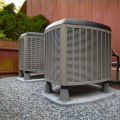
When it comes to maintaining a comfortable living environment, the importance of a reliable HVAC system cannot be overstated. For homeowners, understanding the HVAC replacement cost is crucial, especially when the time comes to replace an aging or malfunctioning unit. The decision to invest in a new heating, ventilation, and air conditioning system is not just about comfort; it also impacts energy efficiency, indoor air quality, and overall home value. As you search for HVAC near me, it’s essential to grasp the various factors that contribute to the costs associated with installation and replacement.The costs involved in replacing an HVAC system can vary widely based on several key elements.
These include the type of system you choose, the size of your home, and any additional features you may want to incorporate. For instance, opting for a high-efficiency model may come with a higher upfront cost but can lead to significant savings on energy bills over time. Additionally, local labor rates and the complexity of installation can further influence the final price tag. Understanding these variables will empower you to make informed decisions as you navigate your options.Moreover, being well-informed about HVAC system installation costs allows homeowners to budget effectively and avoid unexpected financial burdens.
It’s not uncommon for homeowners to overlook potential expenses such as ductwork modifications or necessary upgrades to electrical systems that may arise during installation. By preparing for these possibilities, you can ensure a smoother transition to your new HVAC system and enjoy peace of mind knowing that your investment is sound.
Understanding HVAC Systems: Types and Functions
Understanding the various types of HVAC systems is crucial for homeowners contemplating a replacement. Each system has unique features and functions that cater to different needs and preferences. Below, we explore the most common types of HVAC systems and how they operate to maintain a comfortable living environment.Types of HVAC Systems
- Central Air Conditioning Systems: These systems are designed to cool your entire home using a network of ducts.
They work by circulating chilled air through the ducts and into each room, ensuring even temperature distribution. Central air conditioning is ideal for larger homes where individual room cooling is not practical.
- Heat Pumps: Heat pumps are versatile systems that can both heat and cool your home. They operate by transferring heat from one place to another, using refrigerant to absorb heat from the outside air (even in cold temperatures) and release it indoors during winter. In summer, the process reverses, providing cooling by removing heat from inside your home.
- Ductless Mini-Split Systems: These systems consist of an outdoor compressor and one or more indoor air-handling units.
Ductless mini-splits are perfect for homes without existing ductwork or for adding heating and cooling to specific areas. They offer flexibility in temperature control and are often more energy-efficient than traditional systems.
- Geothermal Systems: Utilizing the earth's stable underground temperature, geothermal systems provide efficient heating and cooling. They involve a series of underground pipes filled with fluid that absorbs or dissipates heat, making them one of the most energy-efficient options available.
How HVAC Systems Work
HVAC systems function through a combination of heating, cooling, ventilation, and air quality control. The primary components include:- Thermostat: This device regulates the temperature by signaling the HVAC system when to turn on or off based on your desired settings.
- Furnace or Heat Pump: The furnace generates heat through combustion or electric resistance, while heat pumps transfer heat as described earlier.
- Air Conditioner: This component cools the air by removing heat and humidity, typically using refrigerant in a closed loop system.
- Ductwork: Ducts distribute conditioned air throughout your home, ensuring that every room receives adequate heating or cooling.
Higher ratings indicate better energy efficiency, which can lead to significant savings on utility bills over time.In summary, understanding the types and functions of HVAC systems is essential for making informed decisions about replacements. By knowing how these systems work together to maintain comfort in your home, you can choose the right solution that meets your needs while optimizing energy efficiency.
Key Factors Influencing HVAC Replacement Costs
When considering the replacement of your HVAC system, it’s crucial to understand the various factors that can significantly influence the overall cost. By being aware of these elements, homeowners can better prepare for the financial commitment involved in this essential home upgrade.Type of HVAC System
The type of HVAC system you choose is one of the most significant determinants of cost. There are several options available:- Central Air Conditioning Systems: These systems typically range from $3,000 to $7,000, depending on the brand and efficiency rating.
- Heat Pumps: Generally more expensive, heat pumps can cost between $5,000 and $8,000.
However, they offer both heating and cooling capabilities.
- Ductless Mini-Split Systems: Ideal for homes without ductwork, these systems can range from $2,000 to $5,000 per unit.
Home Size and Layout
The size and layout of your home play a critical role in determining the cost of your HVAC replacement. Larger homes require more powerful systems and potentially more extensive ductwork. Here are some considerations:- Square Footage: A larger home will necessitate a higher capacity system, which can increase costs significantly.
- Ductwork Requirements: If your existing ductwork is inadequate or needs replacement, this will add to your overall expenses.
- Home Layout: Complex layouts may require additional zoning systems or multiple units, further driving up costs.
Installation Complexity
The complexity of the installation process can also affect pricing. Factors include:- Existing Infrastructure: If your current system is outdated or incompatible with new technology, additional modifications may be necessary.
- Accessibility: If your HVAC system is located in a hard-to-reach area, labor costs may increase due to the extra time and effort required.
Additional Features and Upgrades
Homeowners often opt for additional features that enhance comfort and efficiency.These upgrades can include:
- Smart Thermostats: These devices allow for remote control and energy management but can add $200 to $500 to your total cost.
- Zoning Systems: For homes with varying temperature needs across different areas, zoning systems can improve comfort but typically add $1,000 or more to installation costs.
- Air Quality Enhancements: Features like air purifiers or humidifiers can also increase the overall price but contribute to a healthier living environment.
Average Costs of Replacing an HVAC System in 2023
When considering the replacement of your HVAC system in 2023, it’s crucial to have a clear understanding of the average costs involved. According to recent data from industry sources, homeowners can expect to pay between $5,500 and $12,000 for a complete HVAC system replacement. This range encompasses both the equipment and installation fees, but it’s important to note that actual costs can vary significantly based on several factors.One of the primary determinants of cost is the type of HVAC system you choose.For instance, central air conditioning systems typically fall within the $3,000 to $7,000 range, while heat pumps can be priced between $5,000 and $8,000. Additionally, if you opt for more advanced systems such as geothermal heat pumps or multi-zone systems, you may find yourself spending upwards of $15,000 .The size of your home also plays a significant role in determining the overall cost. Larger homes require more powerful systems and potentially more extensive ductwork, which can add to the installation expenses. For example:
- A small home (up to 1,500 sq.
ft.) may need a system costing around $5,500 .
- A medium-sized home (1,500 to 2,500 sq. ft.) could see costs ranging from $7,000 to $10,000 .
- A large home (over 2,500 sq. ft.) might require an investment of $10,000 or more.
- Ductwork modifications: If your existing ductwork is outdated or incompatible with your new system, you may need to invest in upgrades.
- Permits and inspections: Local regulations often require permits for HVAC installations, which can add to your overall costs.
- Upgrades: Features such as smart thermostats or enhanced filtration systems can increase your initial investment but may lead to long-term savings on energy bills.
This will not only give you a better idea of the average pricing trends in your area but also help you identify any potential savings opportunities. By being informed about the average costs and factors influencing them, you can make a more educated decision that aligns with your budget and comfort needs.
Hidden Costs to Consider When Replacing Your HVAC System
When planning to replace your HVAC system, it’s crucial to look beyond the initial price tag of the unit and installation. Many homeowners underestimate the hidden costs that can arise during this process, leading to unexpected financial strain. Here are some common hidden costs to consider:- Old Ductwork Repairs or Replacement: If your existing ductwork is damaged, outdated, or improperly sized, it may need repairs or even complete replacement.
This can significantly increase your overall costs, as ductwork installation can range from $1,000 to $5,000 depending on the complexity and materials used.
- Electrical Upgrades: New HVAC systems often require updated electrical work to handle increased power demands. If your home’s electrical system is outdated, you might need to invest in upgrades, which can cost anywhere from $500 to $2,000.
- Permits and Inspections: Many localities require permits for HVAC installations. These permits can add an additional $100 to $500 to your total cost. Additionally, inspections may be necessary to ensure compliance with local codes.
- Disposal Fees: The removal and disposal of your old HVAC unit may incur fees.
Some contractors include this in their service charge, while others may charge separately, typically ranging from $50 to $150.
- Upgrades for Energy Efficiency: While investing in energy-efficient models can save you money in the long run, the upfront costs can be higher. Features like variable-speed motors or advanced thermostats can add several hundred dollars to your total bill.
By doing so, you’ll be better prepared for any unforeseen expenses that may arise during the replacement of your HVAC system.
Ways to Save on Your HVAC System Replacement
Replacing your HVAC system can be a significant financial commitment, but there are several strategies you can employ to reduce costs without sacrificing quality. Here are some practical tips to help you save money on your HVAC system replacement.Explore Energy-Efficient Rebates and Tax Credits
Many states and local governments offer rebates and tax credits for homeowners who invest in energy-efficient HVAC systems. These incentives are designed to encourage the adoption of environmentally friendly technologies that reduce energy consumption. Before making a purchase, check with your local utility company or government website to find out what programs are available in your area.- Federal Tax Credits: The federal government often provides tax credits for energy-efficient home improvements, including HVAC systems.
Make sure to keep all receipts and documentation for your tax filings.
- State and Local Rebates: Many states have their own rebate programs. These can vary widely, so it’s essential to research what’s available in your region.
- Utility Company Incentives: Some utility companies offer incentives for customers who upgrade to energy-efficient systems. Contact your provider to learn more about potential savings.
Compare Prices from Local Contractors
When it comes to replacing your HVAC system, it’s crucial to shop around. Prices can vary significantly between contractors, so obtaining multiple quotes can help you find the best deal.Here are some tips for comparing prices effectively:
- Get at least three estimates: This will give you a better understanding of the market rate and help you identify any outliers.
- Ask for detailed quotes: Ensure that each estimate includes a breakdown of costs, including equipment, labor, and any additional fees.
- Check reviews and references: Look for contractors with positive customer feedback and ask for references to ensure you’re choosing a reputable company.
Consider Budget-Friendly HVAC Options
If you're looking for ways to save on your HVAC replacement, consider budget-friendly options that still provide efficiency and comfort. Here are some alternatives:- Look into mid-range models: While high-end systems may offer advanced features, mid-range models often provide excellent performance at a lower cost.
- Opt for a heat pump: Heat pumps can be more cost-effective than traditional heating and cooling systems, especially in moderate climates.
- Invest in regular maintenance: A well-maintained system can last longer and operate more efficiently, reducing the need for premature replacements.
The Importance of Regular Maintenance for Your HVAC System
Regular maintenance of your HVAC system is not just a good practice; it is essential for ensuring the longevity and efficiency of your heating and cooling equipment. By investing time and effort into routine upkeep, homeowners can avoid unexpected breakdowns, enhance energy efficiency, and ultimately save money on utility bills.Benefits of Regular Maintenance
- Increased Lifespan: Just like any other mechanical system, your HVAC unit benefits from regular care. Routine maintenance can extend the lifespan of your system by several years, allowing you to maximize your investment.
- Improved Efficiency: A well-maintained HVAC system operates more efficiently, which translates to lower energy costs.
Dirty filters, blocked ducts, and neglected components can force your system to work harder, leading to increased energy consumption.
- Enhanced Air Quality: Regular maintenance helps ensure that your HVAC system is circulating clean air throughout your home. This is particularly important for households with allergies or respiratory issues, as a clean system reduces dust, allergens, and pollutants.
- Fewer Repairs: By identifying and addressing minor issues before they escalate into major problems, regular maintenance can significantly reduce the likelihood of costly repairs. This proactive approach saves both time and money in the long run.
HVAC Maintenance Tips
- Change Filters Regularly: One of the simplest yet most effective maintenance tasks is changing or cleaning your air filters every 1-3 months. This ensures optimal airflow and efficiency.
- Schedule Professional Inspections: At least once a year, have a qualified HVAC technician perform a comprehensive inspection of your system.
They can identify potential issues and perform necessary adjustments or repairs.
- Clean the Outdoor Unit: Keep the outdoor condenser unit free from debris such as leaves, dirt, and grass clippings. A clean unit allows for better airflow and cooling efficiency.
- Check Thermostat Settings: Ensure that your thermostat is functioning correctly and set to appropriate temperatures. Consider upgrading to a programmable thermostat for added convenience and efficiency.
- Inspect Ductwork: Regularly check for leaks or blockages in your ductwork. Sealing leaks can improve airflow and reduce energy waste.
Remember, investing in maintenance today can save you significant costs tomorrow.
Frequently Asked Questions About HVAC Replacement Costs
When considering the replacement of your HVAC system, it’s natural to have questions about the associated costs. Below are some of the most frequently asked questions that homeowners have regarding HVAC replacement costs.What is the average cost of replacing an HVAC system?
The average cost for replacing an HVAC system typically ranges from $5,500 to $12,000. This estimate includes both the equipment and installation fees. However, actual costs can vary based on factors such as the type of system, the size of your home, and any additional features you may want.Are there hidden costs I should be aware of?
Yes, there can be hidden costs associated with HVAC replacement.These may include:
- Additional ductwork or modifications needed for installation.
- Permits required by local regulations.
- Upgrades to electrical systems or gas lines.
- Costs for removing and disposing of the old system.
How can I save money on my HVAC replacement?
There are several strategies you can employ to save on HVAC replacement costs:- Shop around: Get quotes from multiple contractors to find competitive pricing.
- Look for rebates: Many local governments and utility companies offer rebates for energy-efficient systems.
- Consider financing options: Some HVAC companies provide financing plans that can make payments more manageable.
- Regular maintenance: Keeping your current system well-maintained can extend its lifespan and delay the need for replacement.
How long does an HVAC system last?
The lifespan of an HVAC system typically ranges from 10 to 15 years , depending on factors such as usage, maintenance, and the quality of the installation. Regular maintenance can help maximize the lifespan of your system.What should I look for in a new HVAC system?
When selecting a new HVAC system, consider the following:- Energy efficiency: Look for systems with high SEER (Seasonal Energy Efficiency Ratio) ratings to save on energy bills.
- Size: Ensure that the system is appropriately sized for your home to avoid inefficiency and discomfort.
- Warranty: Check the warranty terms to understand what is covered and for how long.
Conclusion: Making Informed Decisions About Your HVAC System Replacement
In conclusion, replacing your HVAC system is a significant decision that requires careful consideration and planning. Throughout this article, we have explored the various factors that influence the cost of an HVAC replacement, including the type of system, the size of your home, and any additional features you may desire. Understanding these elements is crucial for making informed choices that align with your budget and comfort needs.As we discussed, the average cost of replacing an HVAC system in 2023 ranges from $5,500 to $12,000.This figure encompasses both equipment and installation costs but does not account for potential repairs or upgrades that may arise during the process. Therefore, it is wise to set aside a contingency fund to cover unexpected expenses.Moreover, exploring ways to save on your HVAC replacement can significantly impact your overall investment. Taking advantage of local rebates and tax credits for energy-efficient systems can help offset costs. Additionally, comparing quotes from multiple HVAC contractors ensures you receive the best value for your money.Regular maintenance of your existing system can also prolong its lifespan and reduce the likelihood of costly replacements in the future.
By scheduling routine check-ups and addressing minor issues promptly, you can maintain optimal performance and efficiency.Ultimately, making an informed decision about your HVAC system replacement involves thorough research and consideration of all available options. By understanding the true costs associated with this investment and recognizing the importance of energy efficiency, you can enhance your home's comfort while also contributing to long-term savings.As you embark on this journey, remember to consult with reputable HVAC professionals in your area. Searching for "HVAC near me" can connect you with local experts who can provide personalized advice tailored to your specific needs. With the right information and support, you can confidently navigate the process of replacing your HVAC system and ensure a comfortable living environment for years to come.